Can hemp become a viable building material in one of Europe's most demanding climates?
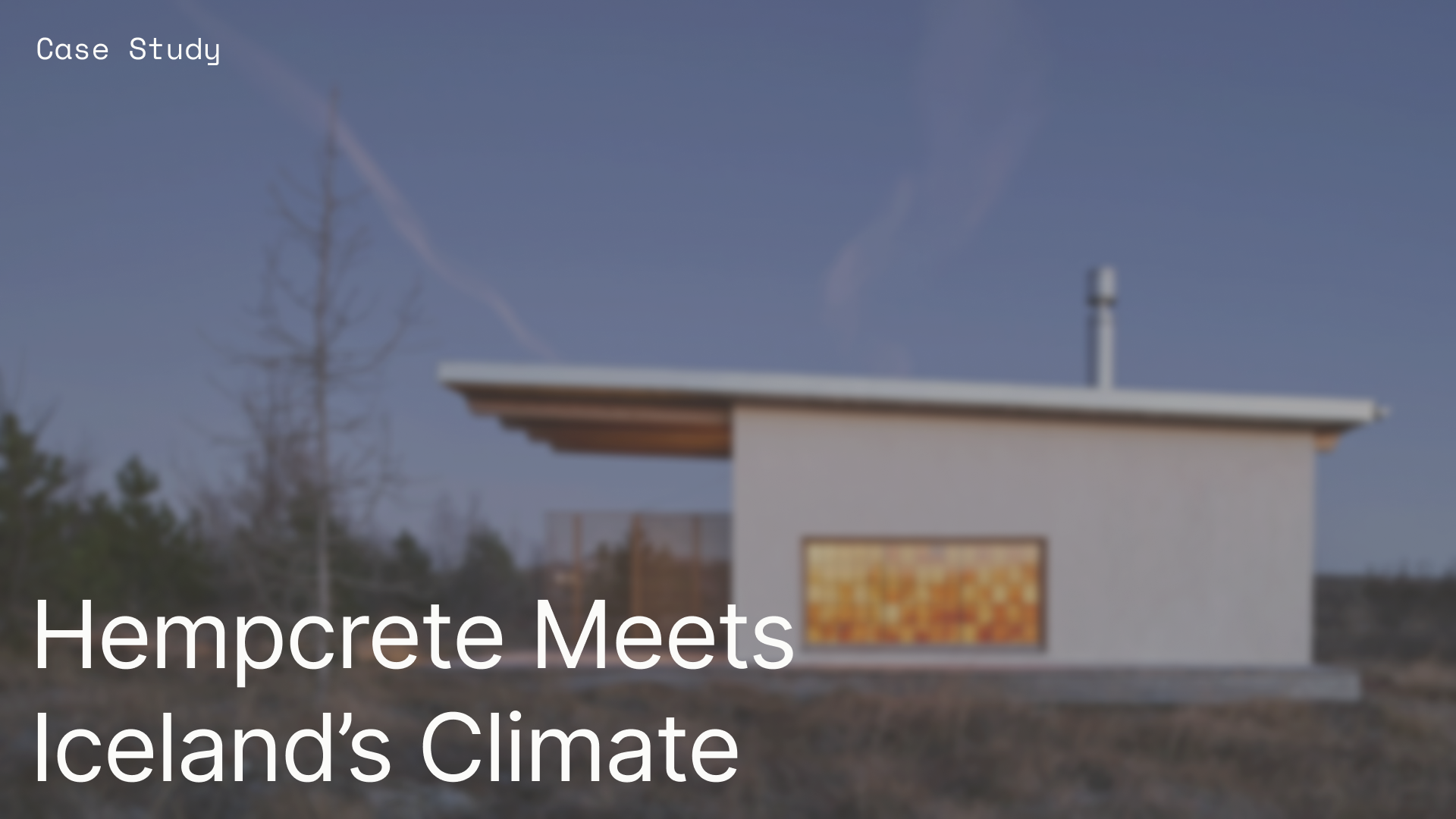
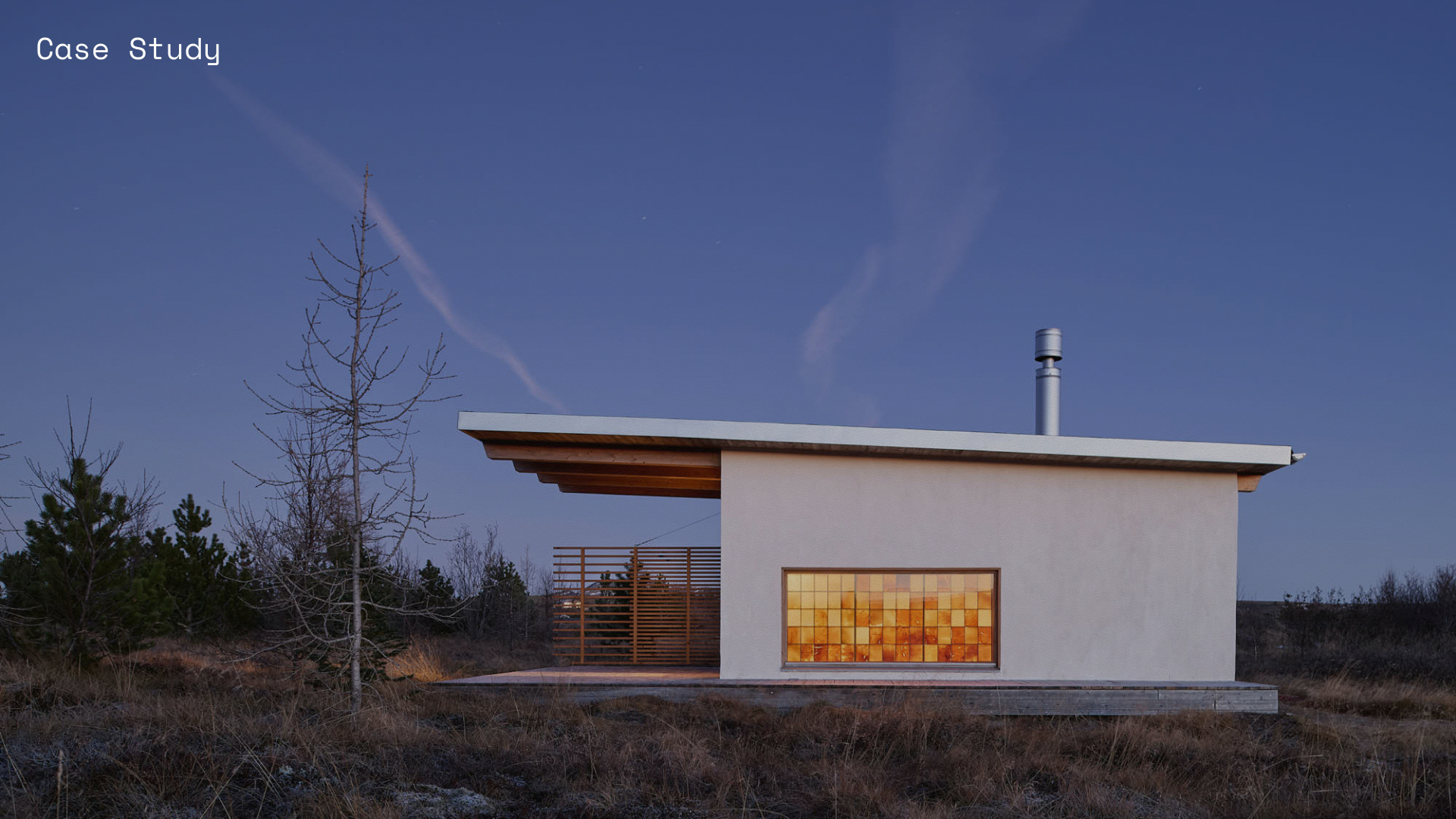
In Grímsnes, southern Iceland, BioBuilding, an experimental project by lúdika architects, explores how bio-based materials and local resources could transform construction practices in the country. The small hempcrete building was designed to test its performance under Iceland's challenging weather conditions.
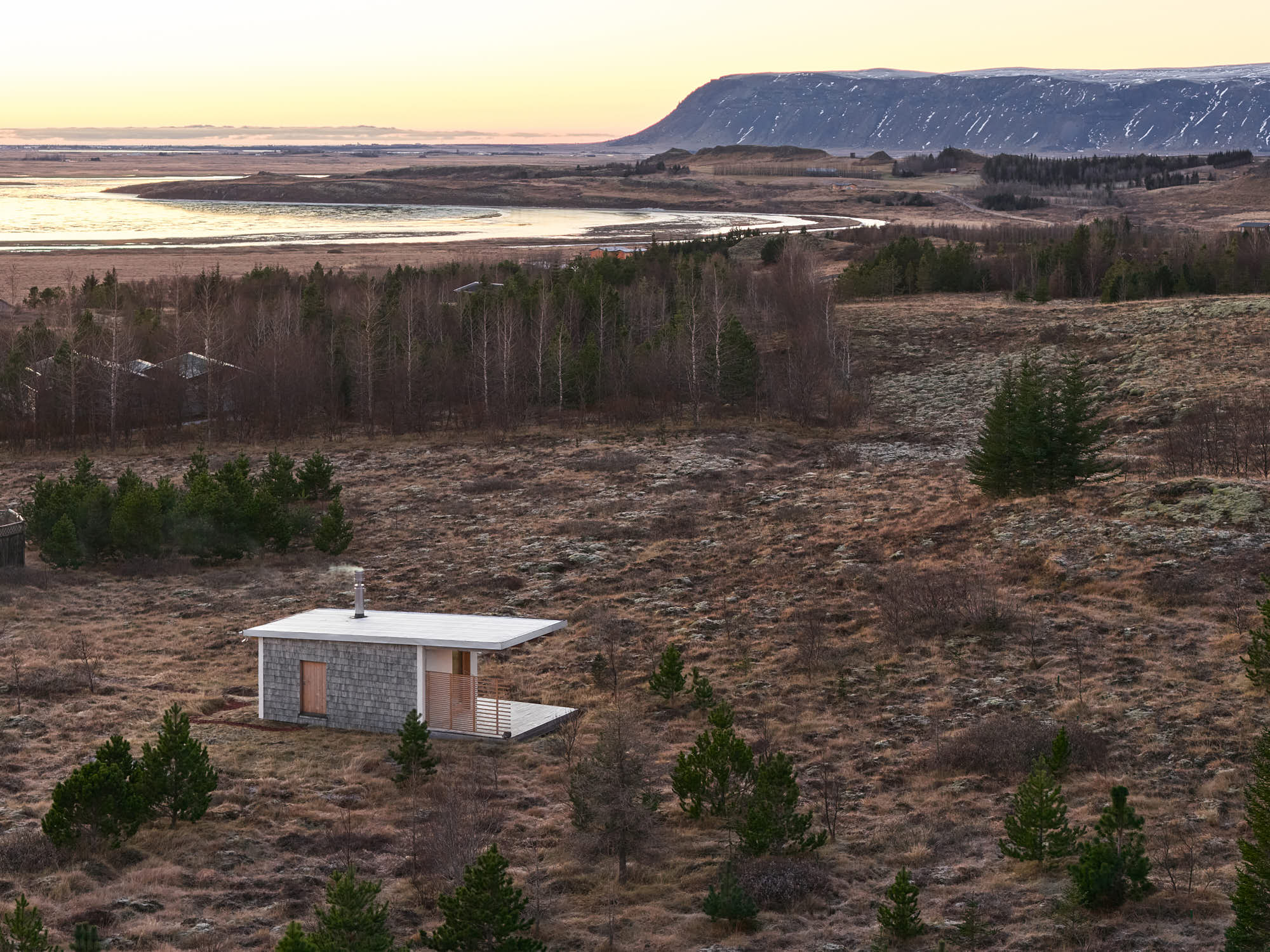
Inspired by Japanese teahouses, BioBuilding is a small structure integrated into the landscape, built by lúdika alongside Bastian, Georg, Elias and Mattis of the Wandergesellen tradition, with support from Hampfirma.
The main challenge was to explore the viability of hempcrete in Iceland, where low temperatures, humidity and changing weather conditions demand building envelopes that provide insulation, durability and moisture control.
To assess its performance, sensors were installed to monitor the wall and floor systems over two years, collecting data on their thermal and hygrothermal behavior under real-world conditions.
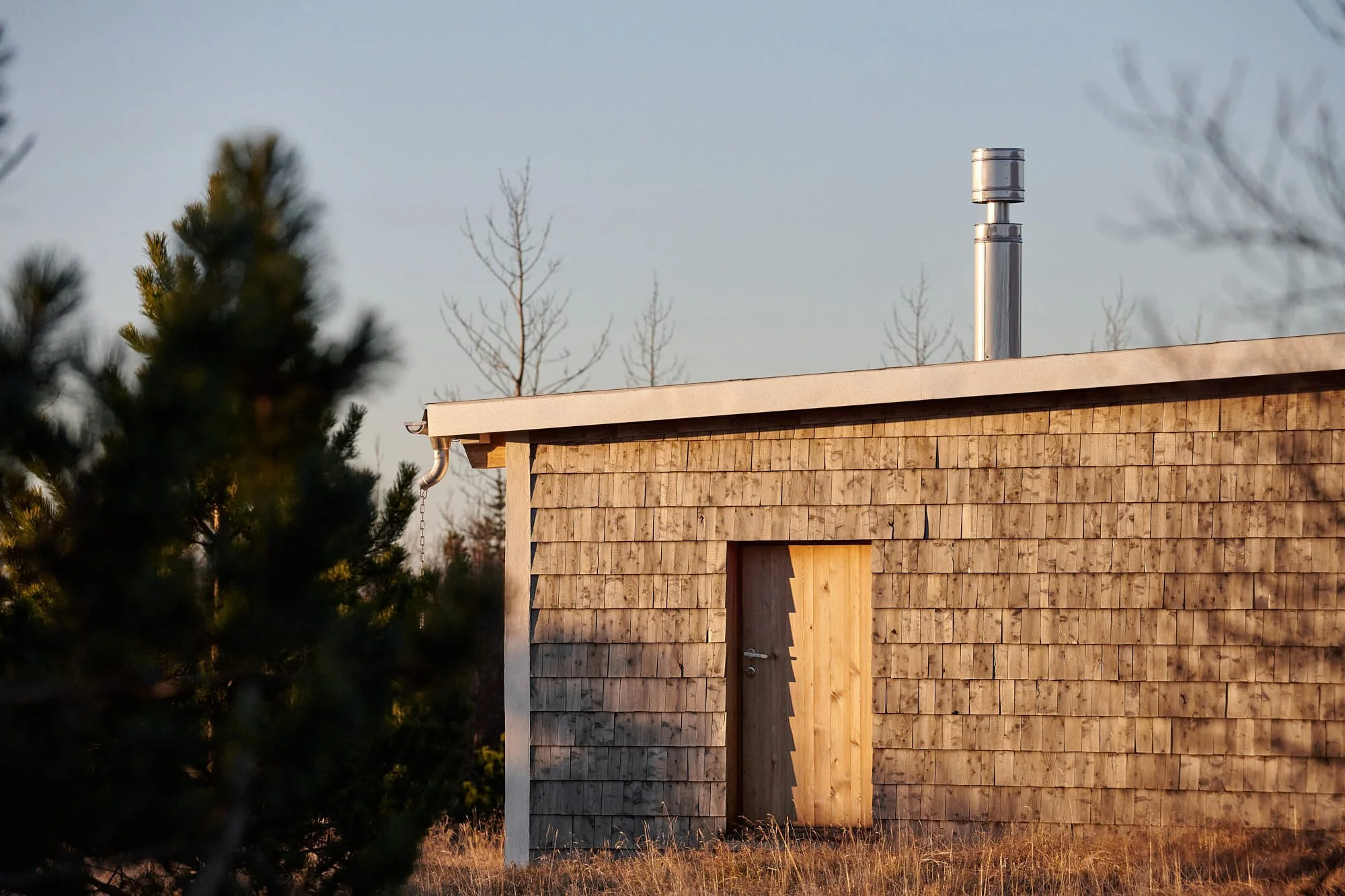
The wall system uses hempcrete, a mixture of hemp shiv and lime binder. This material combines insulating properties, moisture regulation and thermal mass, particularly relevant for a building envelope exposed to the North Atlantic climate.
Natural hydraulic lime render and mineral interior finishes maintain the system's vapor permeability, allowing moisture to move through the assembly.
The material palette also includes Icelandic timber, with poplar used for the structure and decking, and larch for the exterior cladding. These are combined with other components, including triple-glazed windows and locally manufactured rock wool insulation made from volcanic basalt.
Explore technical data for some of the materials used in BioBuilding.
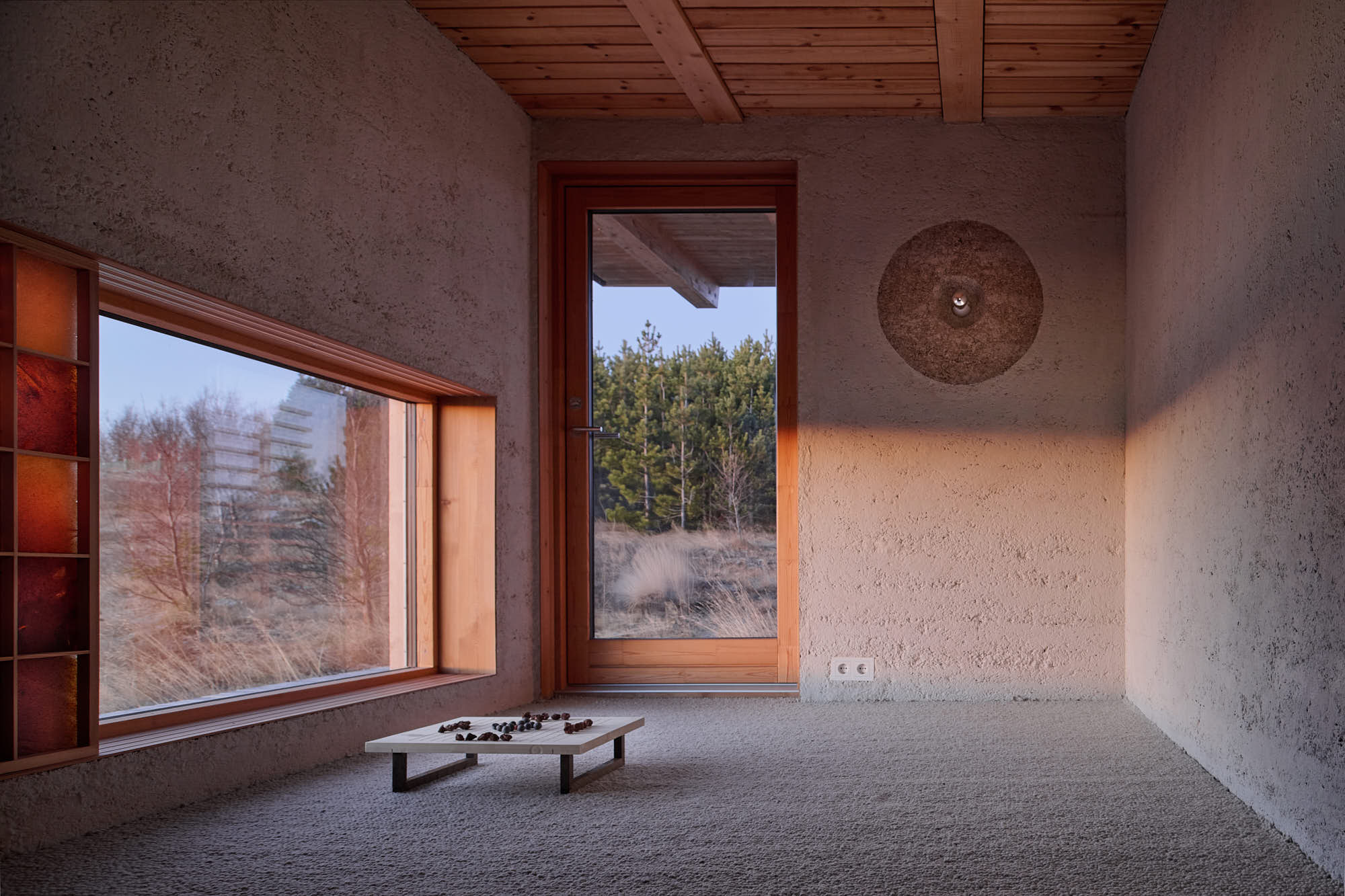
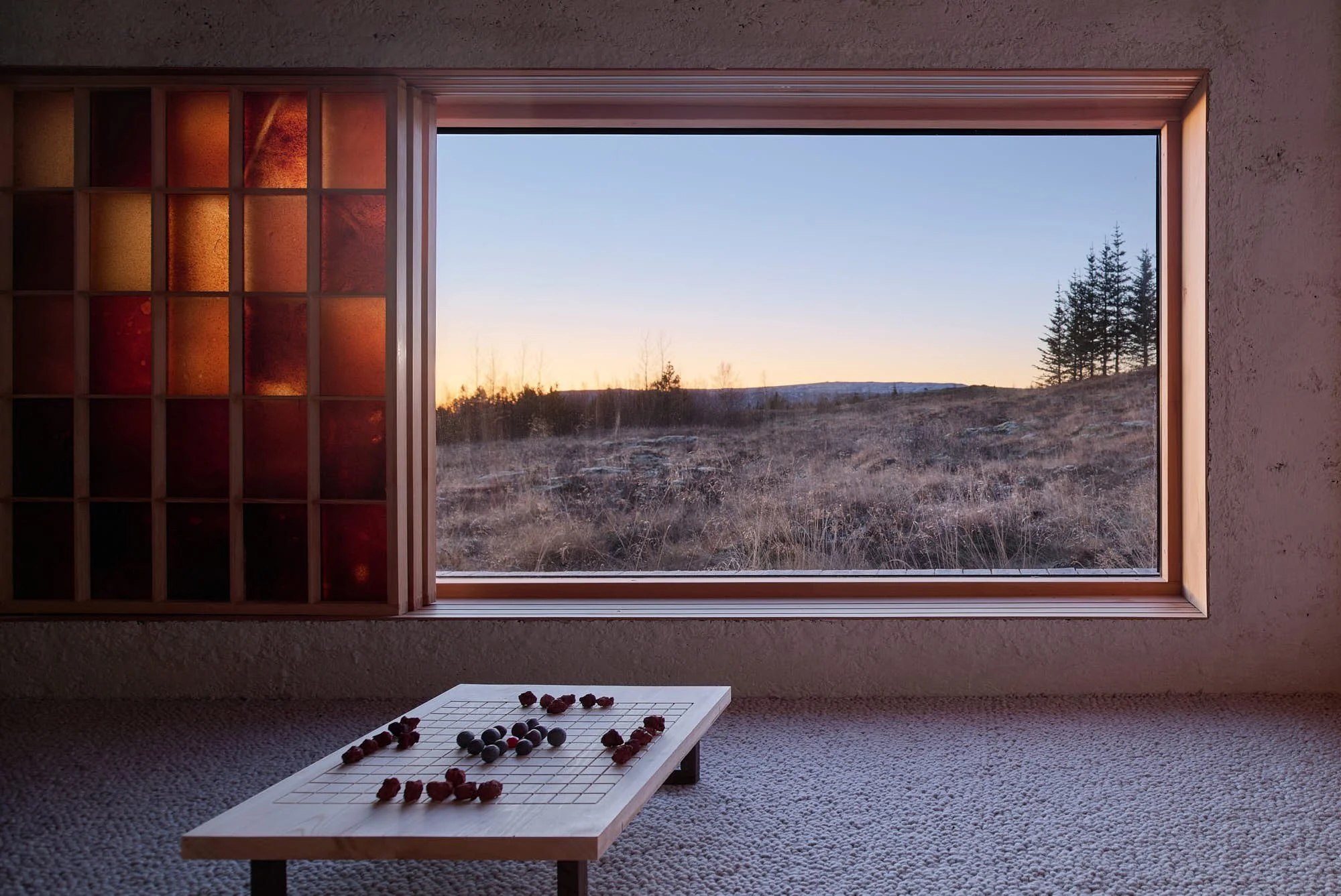
One of the project's most distinctive features is its screens made from Laminaria digitata, a seaweed hand-harvested in Breiðafjörður, Iceland.
Developed in collaboration with Alberte Bojesen, with joinery by Bastian FFB, the screens explore an architectural application for a renewable, biodegradable marine resource that requires neither agricultural land nor synthetic inputs to grow.
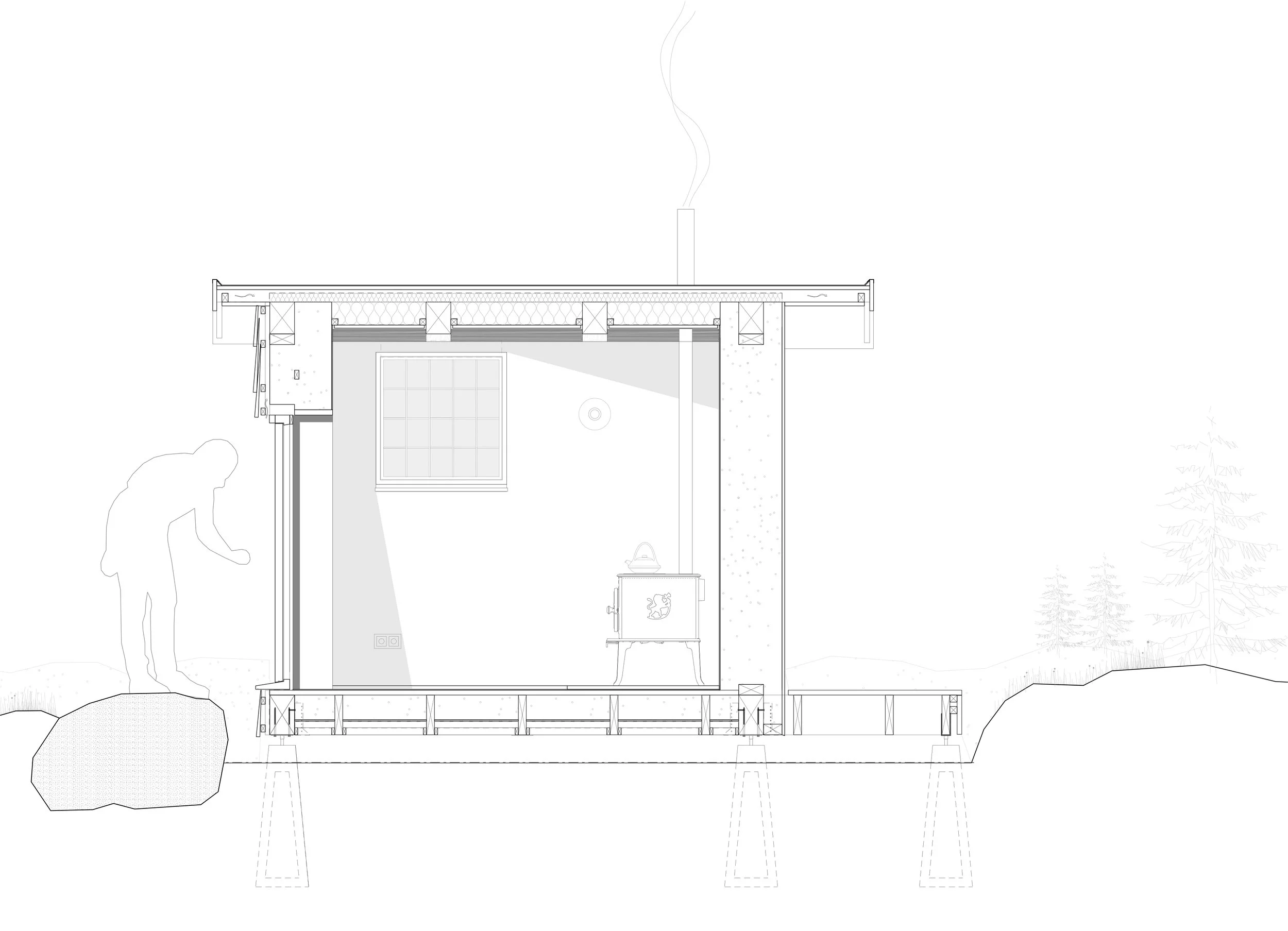
Rather than proposing a universal solution, BioBuilding tests alternative materials and construction techniques before their potential wider application. By combining experimentation, traditional craftsmanship and performance monitoring, the project aims to expand the possibilities for bio-based construction in Iceland.
Use this building's material palette as a starting point for your own project.