
.jpg)
As the AEC industry re-evaluates low-carbon solutions in the face of increasingly stringent regulations, bio-based materials have gained considerable ground. Wood, cork, hemp, straw, and other plant-derived materials—now developed in optimized, scalable, and measurable formats—are increasingly positioned as alternatives to conventional high-emission products.
At the same time, material selection is becoming more complex, involving more variables, stakeholders, and performance criteria. In this context, conceptual clarity is essential: although terms such as bio-based, biogenic, and low-carbon are well defined in standards and LCA frameworks, they are not always clearly distinguished in practice, even though they refer to different aspects of material performance.
A bio-based material refers to its origin: it is derived wholly or partially from biological resources such as plants, trees, or agricultural byproducts. Biogenic, by contrast, refers to the carbon contained within the material, meaning carbon that was recently captured from the atmosphere through biological processes, rather than released from fossil sources. In principle, this can be beneficial, as it allows carbon to be stored during the building’s lifespan, provided it remains stored over time and is not prematurely released.
A low-carbon material is a broader—and more familiar—concept. It refers to materials that generate lower greenhouse gas emissions, now increasingly evaluated through more detailed lifecycle approaches (production, transport, use, and end-of-life), compared to conventional alternatives. Importantly, low-carbon materials may be bio-based, mineral, recycled, or technologically optimized.

Most bio-based materials contain biogenic carbon, as they originate from biomass that has absorbed CO₂ during growth. However, the extent to which this carbon is preserved varies. Processing, transformation, additives, and use conditions can affect how much biogenic carbon remains stored and for how long. In some cases, part of that carbon may be released during manufacturing or at end-of-life, which can reduce the overall climate benefit depending on the scenario.
As a result, the relationship between bio-based materials and biogenic carbon is not absolute; it depends on how the material is produced, used, and managed across its lifecycle. It does not automatically translate into low-carbon performance.

Being bio-based does not automatically mean being low-carbon. A material’s carbon impact is determined through Life Cycle Assessment (LCA), which considers the energy used in production, processing and treatments, transport distances, durability and lifespan, and end-of-life scenarios.
In other words, impact depends not only on what a material is made of, but also on how and where it is produced, used, and eventually discarded. This is why context—including locality—plays a key role in material performance, as it influences transport, availability, and overall impact.
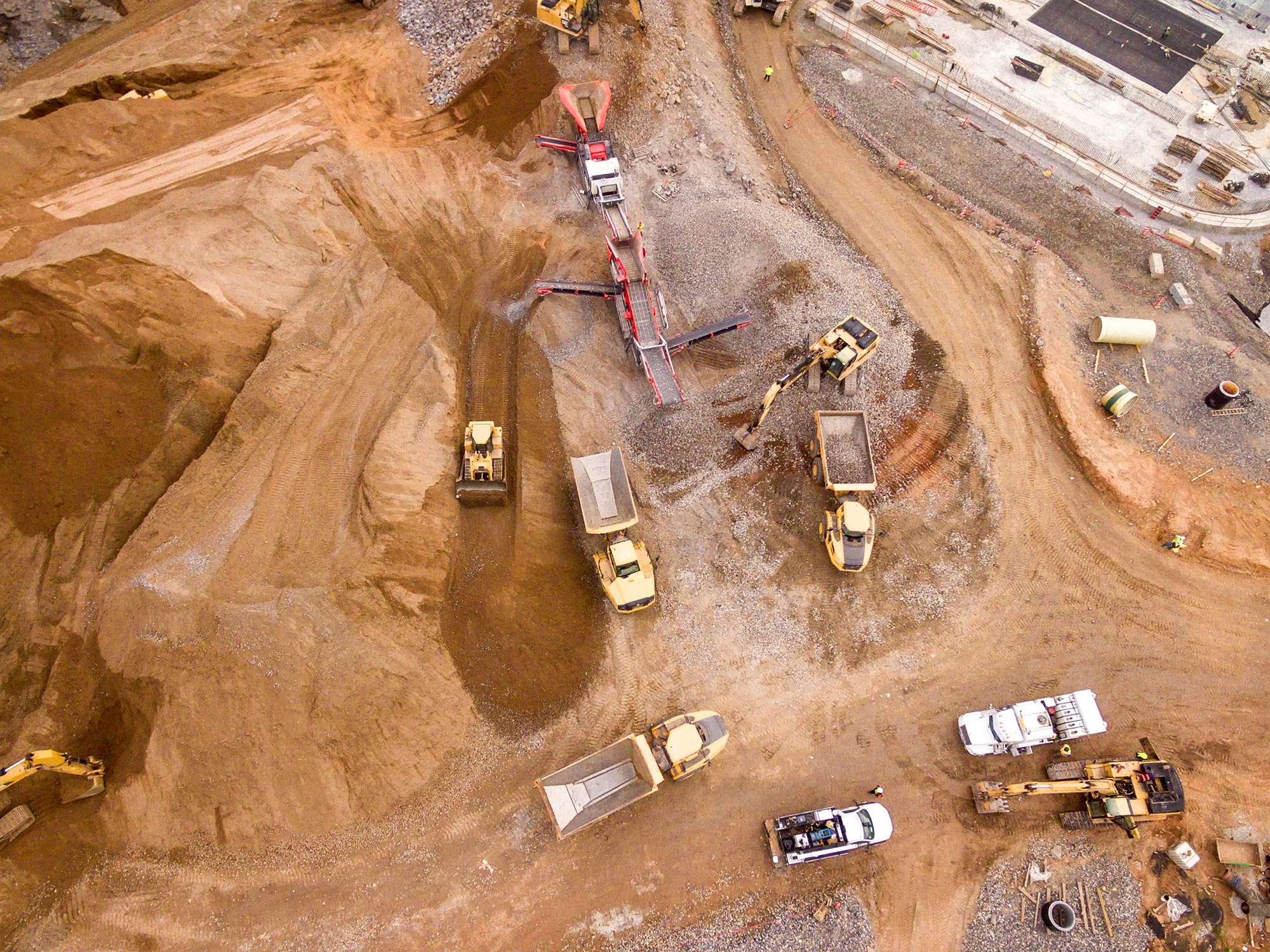
Conversely, many materials with low lifecycle emissions are not bio-based. These include mineral materials such as rammed earth, compressed earth blocks, or natural stone, which often require relatively low processing energy depending on context; recycled materials such as steel, aluminum, and aggregates, which significantly reduce emissions compared to primary production; and technological innovations such as low-carbon concrete, alkali-activated or geopolymer-type binders, carbon-mineralized cement, and optimized lightweight systems.
These strategies reduce emissions through changes in chemistry, processing, or material efficiency rather than through biological carbon storage. Like bio-based materials, their performance is highly context-dependent and must be carefully evaluated before specification.

Treating “bio-based,” “biogenic,” and “low-carbon” as interchangeable—or assuming they inherently guarantee environmental benefits regardless of how materials are processed and used—can lead to oversimplified and sometimes suboptimal decisions.
Bio-based materials are often strong candidates, and in many cases preferable depending on context, due to their renewability and potential for carbon storage. However, they are not always the most appropriate solution in isolation. Material performance is inherently context-dependent: climate conditions, local availability, transport distances, construction systems, and durability all shape their actual impact.
This is why the range of choices for the most accurate and effective materials is as vast as our database, and increasingly depends on better data, comparable information, and shared knowledge across the industry. Learning from built examples—through testing, failures, and the experience of architects, engineers, builders, and technical experts—is also essential to making more informed decisions.
Ultimately, decarbonization is not about replacing one category of materials with another, but about navigating a broader material landscape with greater precision and better information.

.png)
.png)
.png)
.png)
.png)
.png)














.png)
.png)
.png)
.png)
.png)
.png)
.png)
.png)
.png)
.png)
.png)
.png)
.png)
.png)
.png)
.png)
.png)
.png)
.png)
.png)
.png)
.png)
.png)
.png)
.png)
.png)
.png)
.png)
.png)
.png)
.png)
.png)
.png)
.png)
.png)
.png)
.png)
.png)
.png)
.png)
.png)
.png)
.png)
.png)
.png)

.png)
.png)
.png)
.png)
.png)
.png)
.png)
.png)











.png)










.png)