.jpg)
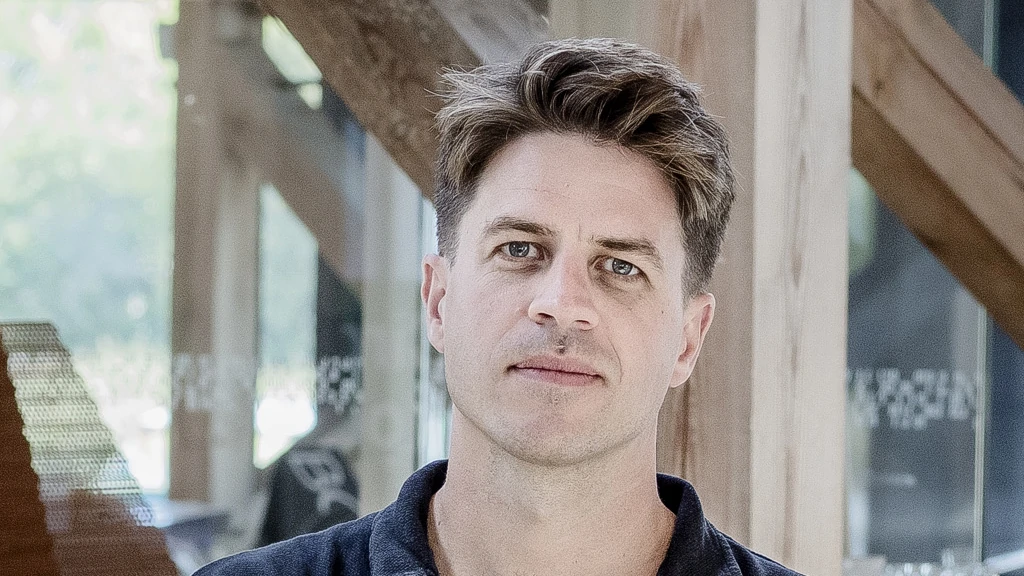
Matteo Arietti is an architect and Head of Innovation at Park Associati, where he leads research and innovation at the intersection of material culture, spatial intelligence, and emerging technologies across the European built environment. His work explores how architecture can operate as an active system through adaptive reuse, urban mining, meanwhile uses, biophilic design, and the integration of computational processes and AI into design practice.
With a strong focus on material longevity, reuse, and resource-conscious construction, he investigates how existing buildings and material flows can shape a more resilient future for architecture. A recurring presence at international conferences and institutions, and a TEDx Speaker since 2023, he believes the most relevant architecture today is the one that understands what already exists—and knows what to do with it.
Architecture is slow by nature—but the forces reshaping it are not. What drives me is the ability to read that gap early: between what the discipline still assumes and what the world already requires. My work at Park is built around that tension. I'm interested in how buildings can operate as active systems—not just containers for function, but structures of identity, behavior, and material intelligence.
Urban mining, adaptive reuse, meanwhile uses: these are not niche research topics anymore. They are the operative logic of the next decade of construction. What drives me is translating that conviction into practice before it becomes consensus.
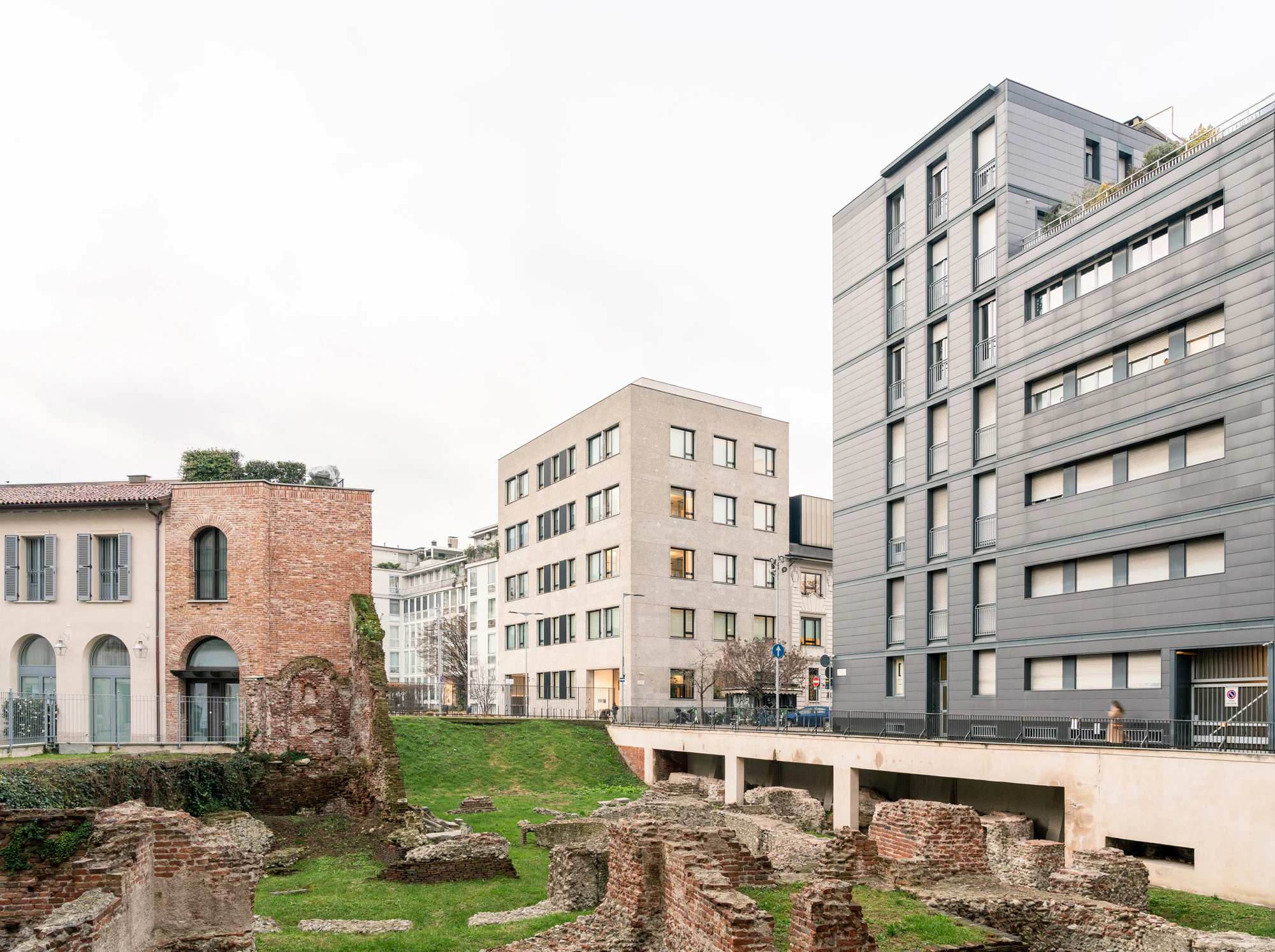
Sustainability, for me, begins with a question of cultural value: is this thing worth making, and will it still be worth keeping in twenty years? A building that nobody wants to maintain or inhabit will be demolished regardless of its carbon credentials. The most sustainable architecture is architecture that earns its permanence. In practice, this means working with what already exists—through adaptive reuse, urban mining, and the recovery of materials that carry history and can carry the future.
Our contribution to the Venice Biennale 2025, Resourceful Intelligence, investigated exactly this: how we can continue to build while radically reducing dependence on newly extracted resources. The answer is never material substitution alone. It requires rethinking the entire logic of production, use, and return. The biggest challenge is not technical. It is cultural. We have the tools. What we lack is a shared agreement that longevity, material honesty, and spatial quality are non-negotiable values—not premium options reserved for exceptional projects.
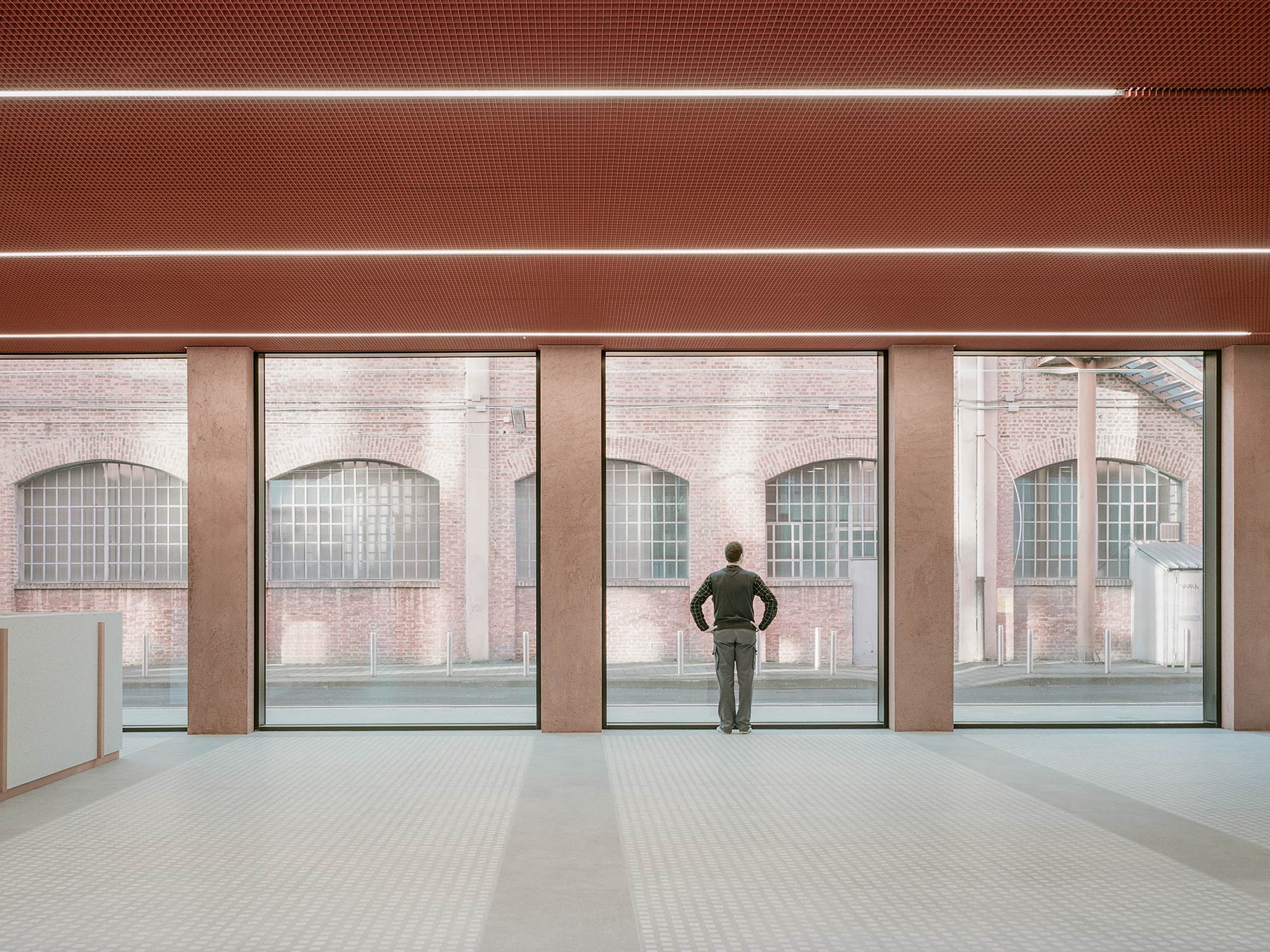
Materials are becoming legible again. After decades in which surfaces were primarily visual—finishes applied to conceal structure—there is a growing demand for materials that are honest about what they are, where they come from, and how they will age. This is not a stylistic trend. It is a deeper cultural shift toward authenticity that I believe is irreversible.
The materials that require urgent reconsideration are the ones we treat as defaults: standard concrete, virgin steel, synthetic composites designed for single use. Not because they are inherently wrong, but because we deploy them without thinking—without asking whether something already in circulation could do the same job with a fraction of the impact. The real opportunity lies in the grey zone between waste and resource. Reclaimed elements, industrial byproducts, and materials extracted through urban mining from existing building stock carry embodied energy, history, and character that no new material can replicate. Working with them demands more intelligence and more craft. But the result is architecture with genuine presence, not just compliance.
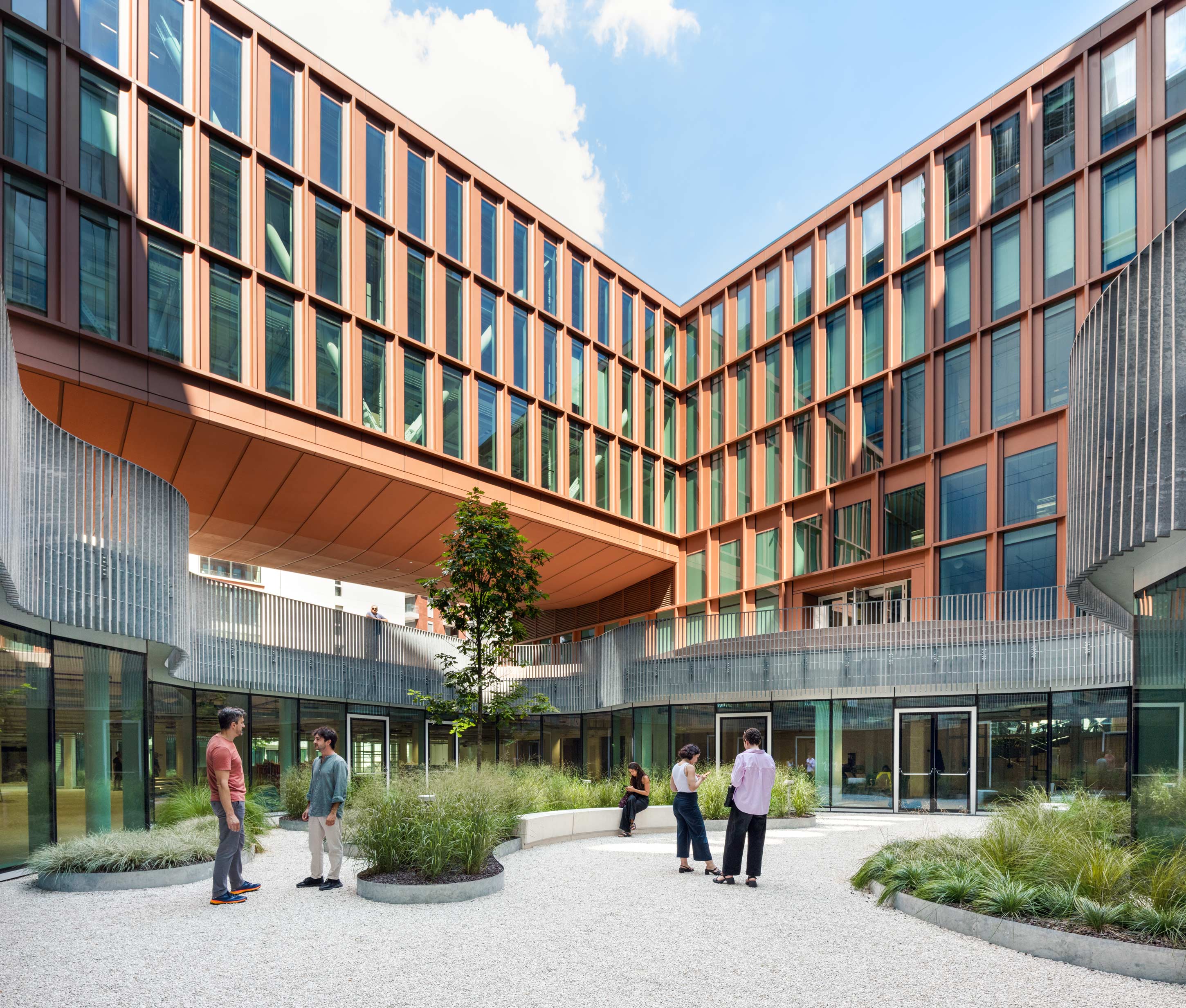
Less. And more precise. By 2050, I expect—and hope—that construction will no longer be the default response to every spatial need. The most radical act in the next twenty-five years will be making existing buildings worth keeping: through transformation, reactivation, and meanwhile uses that allow spaces to remain alive between one cycle and the next. The city as a permanent construction site of recovery, not replacement.
Beyond that, the built environment of 2050 will be defined less by typology and more by atmosphere. The boundaries between work, living, culture, and commerce are already dissolving, and the spaces that will matter are those generous enough to host multiple forms of life simultaneously. Not flexible as a technical feature, but adaptive as a cultural condition. Spaces that can be claimed, modified, and inhabited in ways their designers never anticipated. That capacity for open-ended use is, I think, the deepest form of sustainability there is.
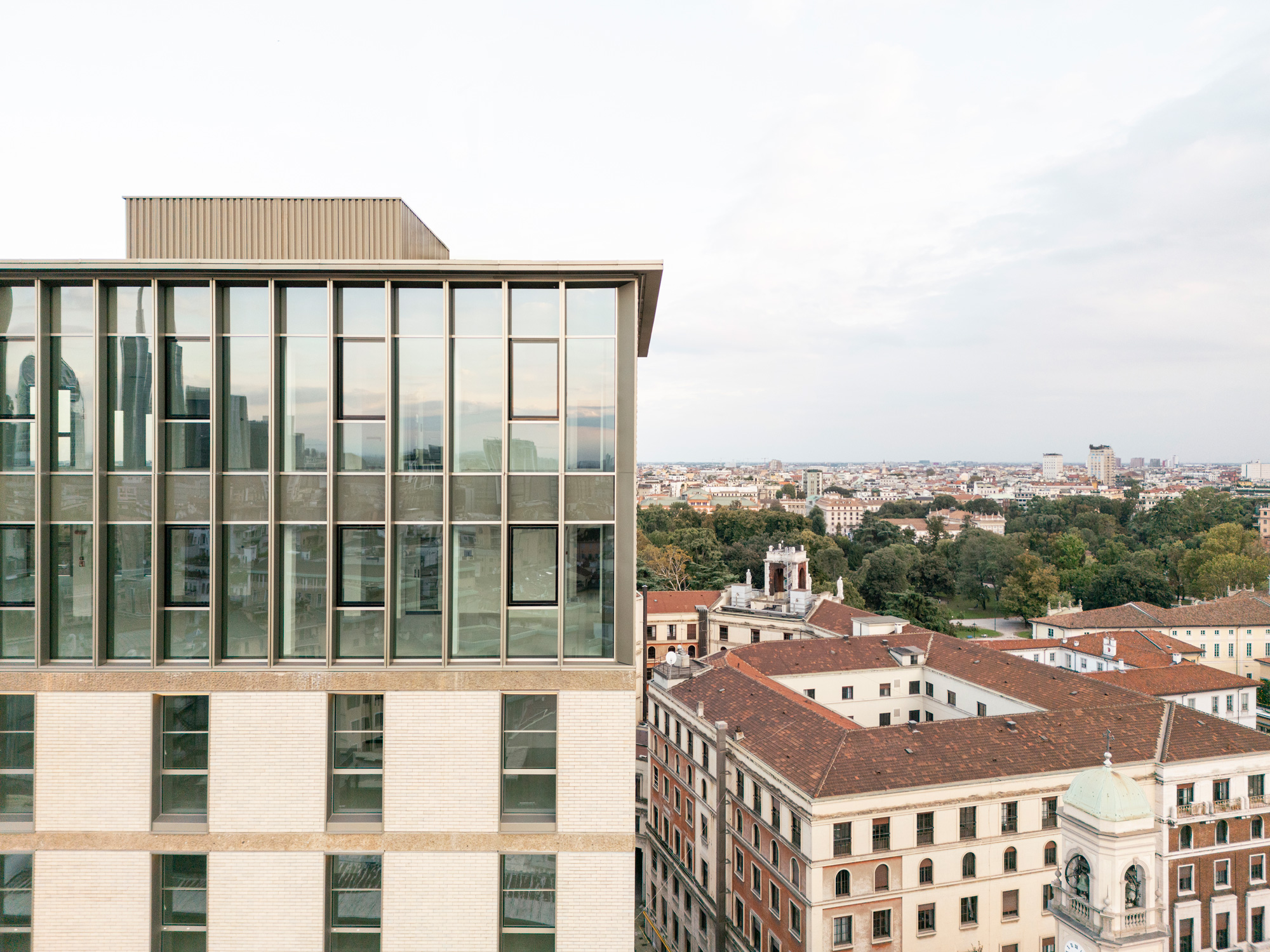
The most transformative contribution of AI to sustainable architecture is not generative—it is analytical. The ability to model the full lifecycle of a material, map reusable components within existing building stock at an urban scale, or simulate the long-term behavior of a space before a single element is placed: these are capabilities that fundamentally change what is possible in practice. We are only beginning to use them seriously. At Park, we have been integrating computational design and AI-assisted processes into research and design workflows for several years. What I have learned is that the tool is only as good as the question behind it. AI does not replace judgment—it accelerates it, and it surfaces what would otherwise remain invisible.
The risk is using it to produce more, faster, without asking whether we should produce at all. Used with intention, digitalization makes the construction industry genuinely smarter: more precise material sourcing, deeper understanding of what already exists, longer lifecycles, and less waste at every scale. But the cultural shift has to come first. Technology follows intention—and right now, the most important work is building that intention.
Explore more of Matteo Arietti and Park Associati’s work, and discover related materials and reuse-driven solutions on revalu.

.png)
.png)
.png)
.png)
.png)
.png)





.png)
.png)
.png)
.png)
.png)
.png)
.png)
.png)
.png)
.png)
.png)
.png)
.png)
.png)
.png)
.png)
.png)
.png)
.png)
.png)
.png)
.png)
.png)
.png)
.png)
.png)
.png)
.png)
.png)
.png)
.png)
.png)
.png)
.png)
.png)
.png)
.png)
.png)
.png)
.png)
.png)
.png)
.png)
.png)
.png)
.png)
.png)
.png)
.png)
.png)










.png)






.png)