.png)
Architects are making material decisions faster and with greater impact than ever before. What has changed is not only what teams choose, but how early, how fast, and how collaboratively those choices must be made. As this shift accelerates toward 2026, regulatory pressure is turning material constraints into proactive design drivers.
Based on stricter European regulations, the maturity of low-carbon materials, and the growing need for interdisciplinary collaboration, we outline 3 key signals redefining how architects choose materials.
Carbon constraints are no longer a checklist that teams rush to complete at the end of the design process.
Across Europe, regulatory frameworks are steadily lowering embodied carbon thresholds, changing both the timing and the way material decisions are made. In a growing number of projects, these thresholds now come into play before form, structure, and material systems, sometimes even before a clear brief is defined.
This regulatory shift is already underway and will only intensify. In France, the RE2020 regulation introduced mandatory embodied carbon limits in 2022, with thresholds tightening through 2031. In Denmark, lifecycle carbon requirements, in force since 2023 and strengthened in 2025, have made compliance a condition for approving new buildings. At the European level, the revised Energy Performance of Buildings Directive establishes a framework for whole-life carbon assessment, extending mandatory requirements to all new buildings by 2030.
Projects assessed under these standards are already revealing practical implications, forcing design teams to reconsider conventional construction strategies and commonly used material systems as quantified targets become harder to meet.
This is the first clear signal for 2026. Carbon limits are no longer an afterthought, but a non-negotiable starting point for design.

Low-carbon materials are no longer experimental. They exist, they perform reliably, and they are already being used at scale.
From straw bale systems and plant-based insulation to cork panels, mycelium products, and lime or clay mortars, the market now offers more options than ever to reduce embodied carbon. This interest is not anecdotal: between 2024 and 2025, bio-based materials ranked among the fastest-growing search categories in the revalu database, confirming that they are already part of real project decisions.
This trend is reinforced by engagement data from 2025. Across 35,000+ verified options, bio-based materials rank among the most searched and fastest-growing categories. Interest increasingly concentrates on solutions that combine industrial scalability, traceability, long service life, and clear end-of-life pathways, such as hemp-based insulation or expanded cork systems.
As a result, the challenge has shifted. It is no longer about the availability or technical maturity of low-carbon materials, but about how teams compare, interpret, and use them within existing regulatory frameworks. EPDs are more common and can be helpful, but are often not directly comparable. “Green” labels support positioning, yet rarely answer project-specific questions. In real-world project conditions, data quickly fragments across tools, formats, and assumptions, hindering sound decision-making.
This is the second key signal towards 2026. Materials are ready; the focus is on how teams compare, trust, and reuse data to achieve the best results in projects without friction or ambiguity.
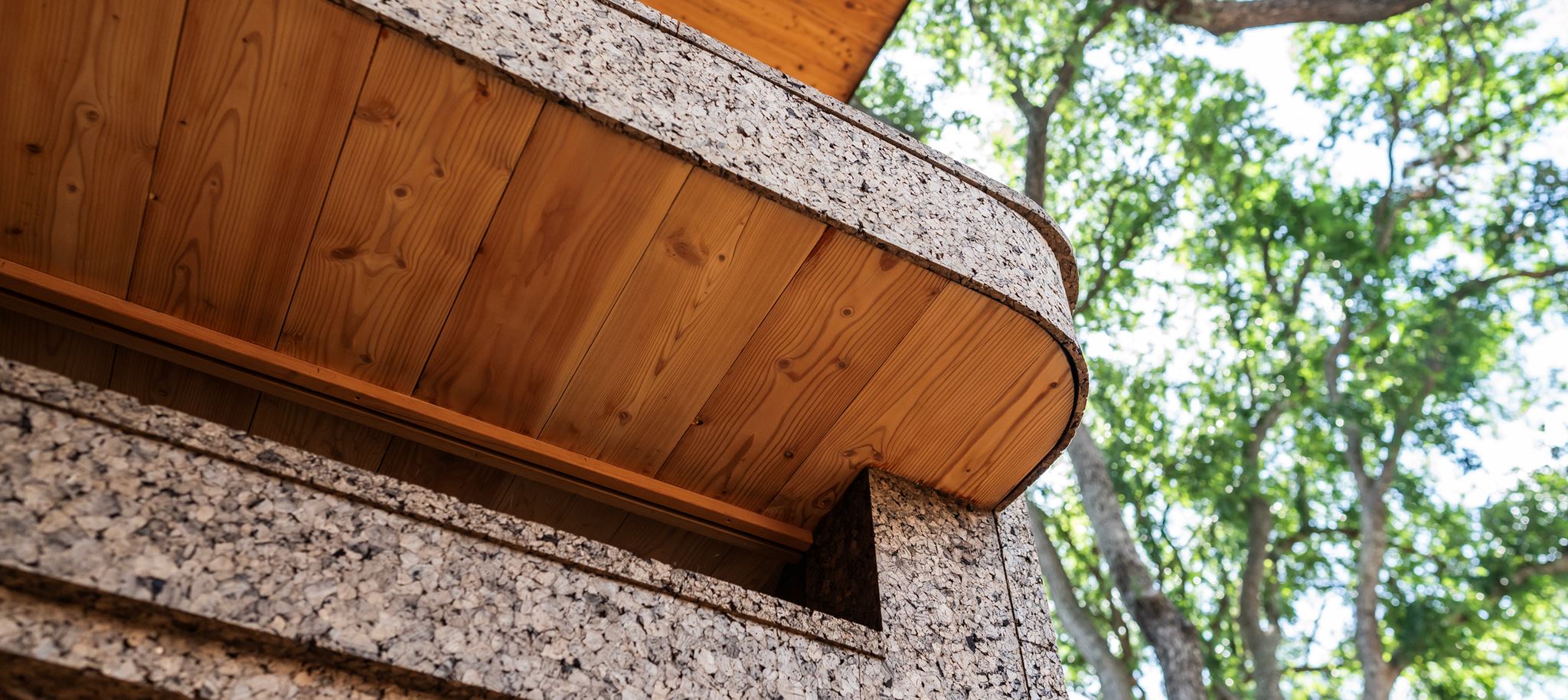
As low-carbon materials move from niche alternatives to more mainstream options, decision-makers must align on their impact across the entire construction value chain. With an expanding range of viable alternatives, less familiar parameters are introduced, requiring greater expertise and coordination. Structural performance, fire safety, logistics, costs, supply chains, and environmental metrics increasingly intersect, making isolated decisions harder to sustain.
In large European companies, material selection is no longer a one-way process. It now emerges through collaboration across design, engineering, sustainability, cost, and other teams, often coordinated by the well-established role of Sustainability Lead. As decisions are anticipated and become harder to reverse, collaboration intensifies, but also becomes more fragile without clear alignment.
revalu’s platform reflects this shift by helping teams organise and share material information across projects. In 2025, we observed a clear increase in the use of shared collections, as teams sought more consistent ways to align their decisions.
This is the third key signal for 2026. As more voices enter material decision-making, collaboration can no longer rely on informal coordination. It depends on teams working from shared, comparable, and reliable information that allows decisions to stay aligned across disciplines and throughout all stages of the project.
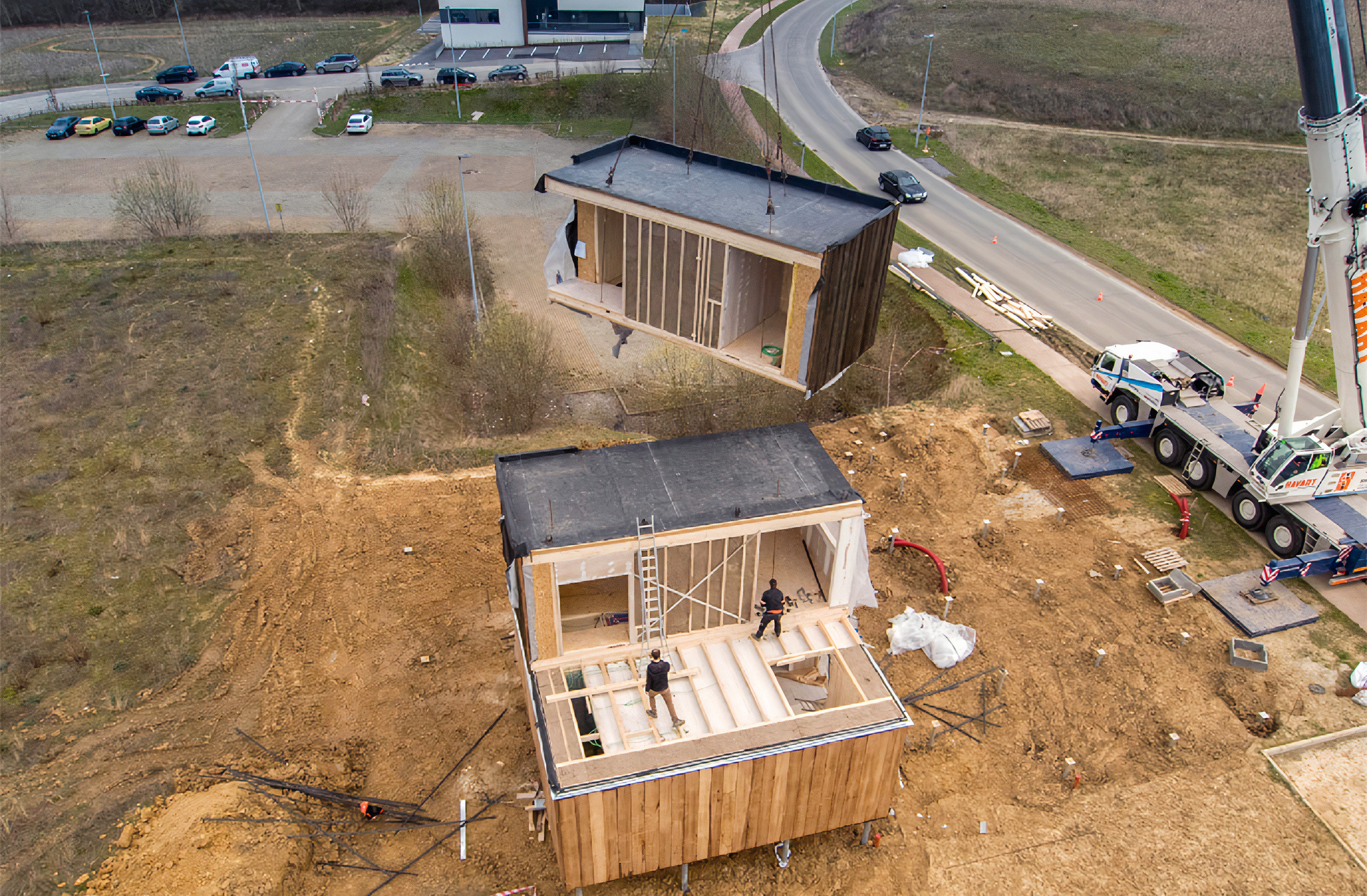
Taken together, these signals point to a clear evolution. Material decisions are no longer about finding “better materials,” but about building decision-making systems teams can rely on across projects, disciplines, and time.
revalu is evolving ahead of these demands, supporting teams as they prepare for what 2026 and beyond will require.

.png)
.png)
.png)
.png)
.png)
.png)















.png)
.png)
.png)
.png)
.png)
.png)
.png)
.png)
.png)
.png)
.png)
.png)
.png)
.png)
.png)
.png)
.png)
.png)
.png)
.png)
.png)
.png)
.png)
.png)
.png)
.png)
.png)
.png)
.png)
.png)
.png)
.png)
.png)
.png)
.png)
.png)
.png)
.png)
.png)
.png)
.png)
.png)

.png)
.png)
.png)
.png)
.png)
.png)
.png)
.png)











.png)









.png)