.jpg)
We tend to notice humidity indoors only when it becomes uncomfortable: when the air feels heavy and oppressive due to excess moisture, or dry and abrasive when humidity drops too low. Indoor comfort and health are most consistently achieved when relative humidity remains between 40 and 60%, a range associated with improved comfort and reduced risks of mold growth, allergens, and airborne viruses.
As climates become increasingly extreme and unstable, maintaining this balance grows more challenging and is typically addressed at system level through airtight construction, controlled ventilation, and energy-dependent dehumidification. Earth-based materials behave differently. Their hygroscopic nature allows them to act as moisture buffers, absorbing excess moisture when indoor air is humid and releasing it as the air dries, providing a stabilizing layer within the indoor climate. This behavior helps reduce spikes and drops in relative humidity, regardless of the structural composition of the enclosure they are integrated into.
Choosing earth-based materials reintroduces moisture, permeability, and material responsiveness as passive design tools, helping interiors remain more stable and comfortable while reducing carbon impact.
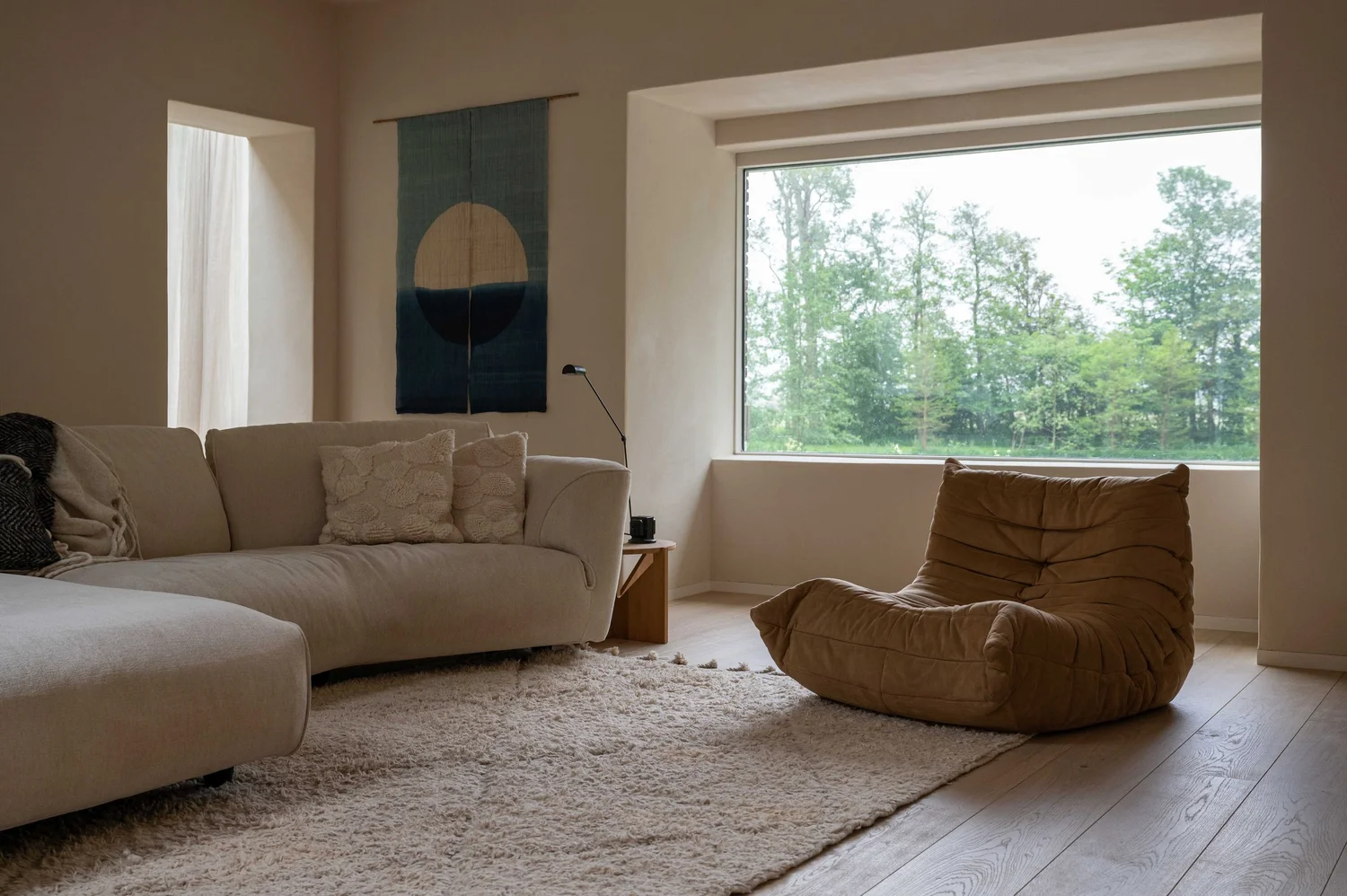
In contemporary architecture, humidity control is usually managed through assemblies designed to limit exchange: vapor barriers, sealed layers, and mechanically controlled airflows. Historically, however, materials such as clay plasters or earth panels worked through exchange rather than exclusion. Hygroscopic buffering allows materials to absorb water vapor when indoor humidity rises and release it when it falls, a physical process that operates without electrical energy and responds directly to interior conditions.
Comparative tests conducted across Europe show that raw earth materials with a thickness of 10 mm can absorb on the order of 45 to 65 g/m² of moisture over an eight-hour period, compared to less than 1 g/m² for fired brick or conventional gypsum. In practice, earth-based finishes—such as clay plasters—have been shown to significantly stabilize indoor relative humidity, contributing to keeping conditions closer to the comfort range during a large portion of summer periods, even without mechanical assistance. During winter, the same behavior helps reduce mold risk and mitigate excessively dry indoor air.
The same buffering logic that stabilizes indoor humidity can also support thermal comfort, particularly when earth-based materials are used in thicker or more massive configurations.
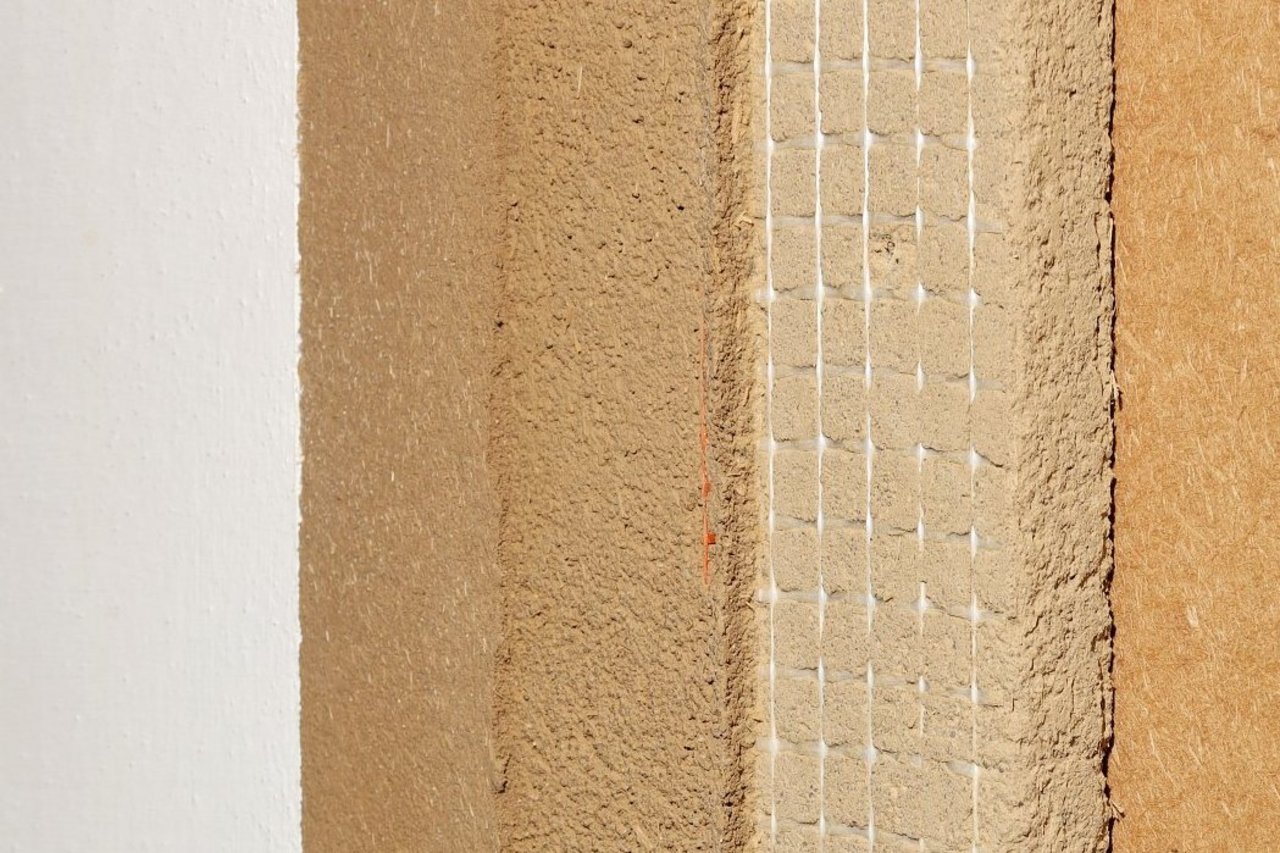
Beyond moisture exchange, some earth-based systems—particularly structural blocks and thicker clay panels—also contribute to thermal stability through their material mass. Rammed earth walls, compressed earth blocks, and earth-based masonry can store heat and release it gradually, smoothing daily temperature variations and slowing down interior temperature changes.
Studies carried out in France show that adobe dwellings exposed to outdoor temperature swings of up to 8 °C per day experienced interior variations of only around 2 °C, illustrating how thermal inertia complements hygroscopic buffering in mass-based earth systems. In these cases, humidity levels also remained relatively stable, reinforcing overall indoor comfort without relying exclusively on mechanical cooling or dehumidification.
This stabilizing behavior—moderating rather than blocking or reacting—is increasingly relevant in Europe, where thermal comfort must be maintained without increasing energy demand, provided these materials are properly integrated into the overall building design.
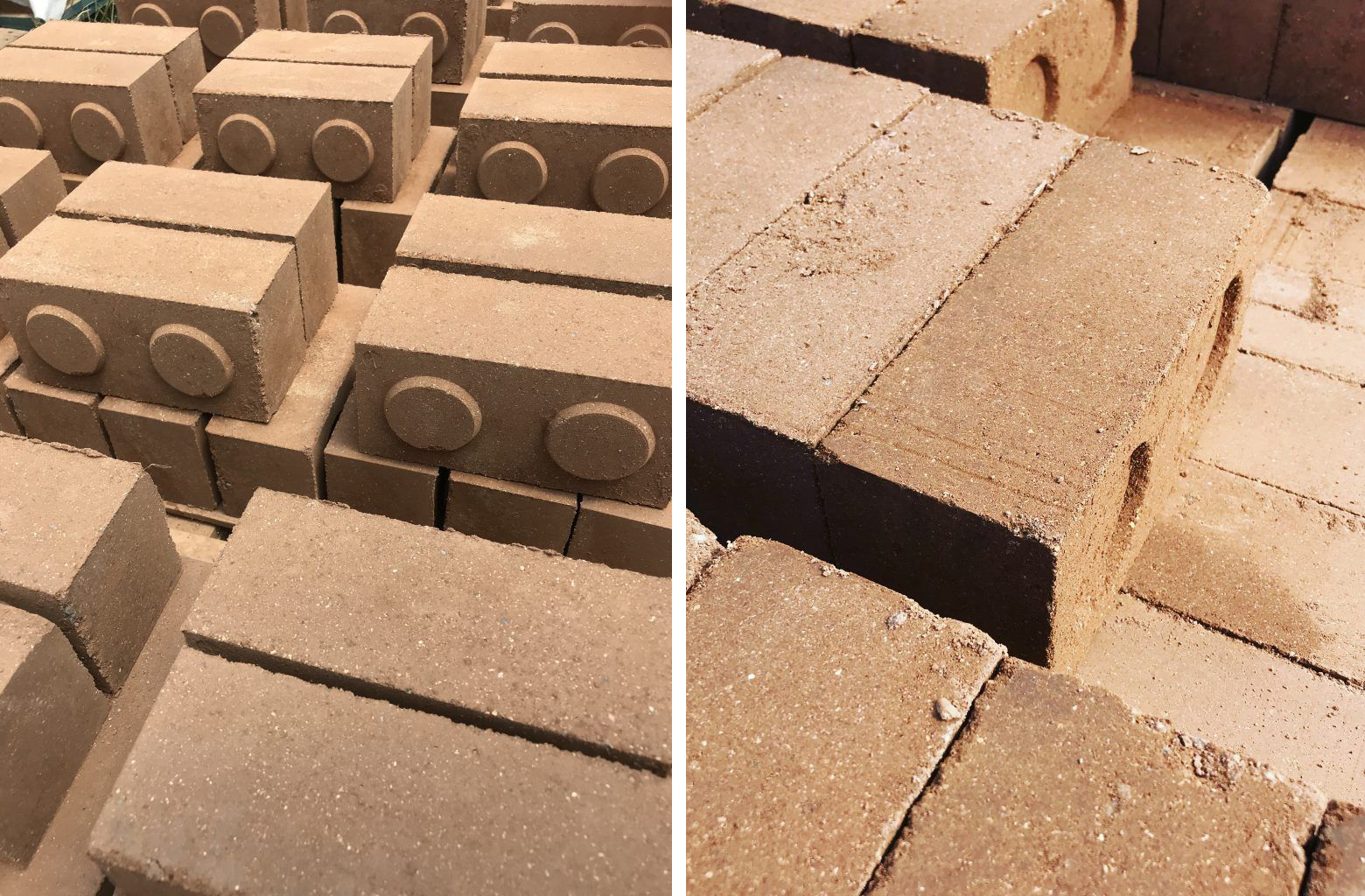
Working with earth-based materials no longer implies a return to artisanal methods or experimental niches. Today, material behavior is translated into systems that can be specified with precision, from structural earth blocks such as TERRA-Bloc by TERRAVERSA and compressed earth blocks by Oskam V/F, to standardized clay building boards like Lemix Clay Panels by Hart Keramik and clay drywall panels by ClayTec GmbH, as well as interior clay finishes including WEM Universal Clay Plaster by WEM GmbH and earthen finishes such as Tierrafino Duro by Tierrafino.
These systems do not replace airtight layers, insulation, or HVAC on their own, but they allow part of indoor comfort to be managed by the materials themselves. Instead of sealing every layer, exchange is enabled where it adds the most value: at interior surfaces capable of absorbing, releasing, and moderating moisture, and in mass-based elements that help smooth temperature variations over time.
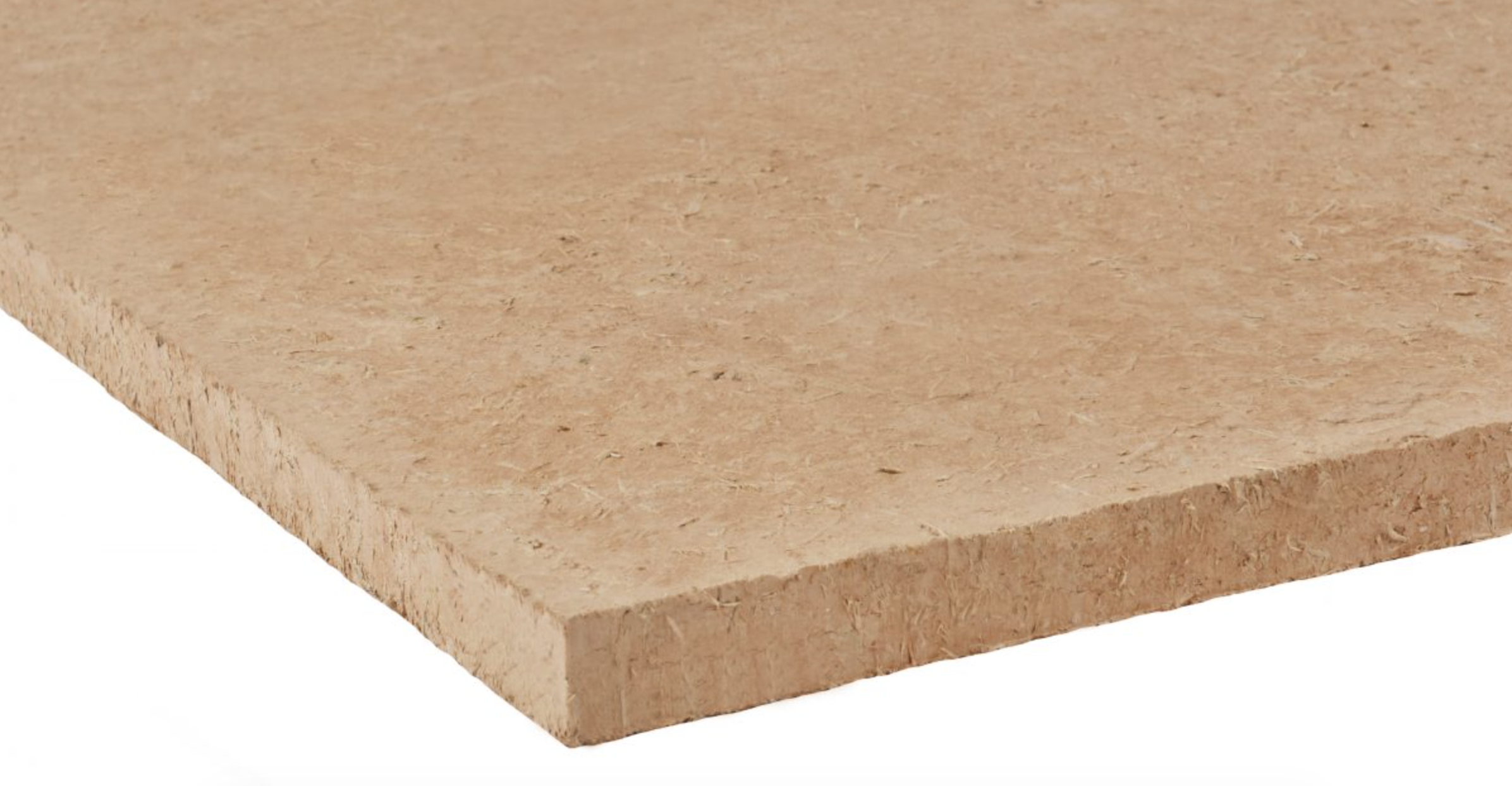
As recent updates to the European Energy Performance of Buildings Directive (EPBD) introduce limits on overheating, the focus shifts toward indoor conditions during real occupancy. This broader lens brings attention to ventilation, moisture balance, and material behaviour, turning materials that actively support indoor climate stability from niche solutions into practical necessities.
Choosing earth-based materials is neither nostalgic nor symbolic. It is a design decision that responds to tangible challenges: overheating, dry indoor air, energy dependence, and regulatory frameworks that increasingly frame comfort in hygrothermal terms, linking temperature and moisture. Standardized and optimized solutions now make it possible to apply this logic precisely and at scale, allowing specific building layers to contribute actively to indoor climate stability without relying exclusively on mechanical systems.
Explore earth-based materials with documented hygrothermal performance in the revalu database.

.png)
.png)
.png)
.png)
.png)
.png)





.png)
.png)
.png)
.png)
.png)
.png)
.png)
.png)
.png)
.png)
.png)
.png)
.png)
.png)
.png)
.png)
.png)
.png)
.png)
.png)
.png)
.png)
.png)
.png)
.png)
.png)
.png)
.png)
.png)
.png)
.png)
.png)
.png)
.png)
.png)
.png)
.png)
.png)
.png)
.png)
.png)
.png)
.png)
.png)
.png)
.png)