.png)
A material can be considered low-carbon when it demonstrates, through data, a measurable reduction in emissions compared to established alternatives. That reduction may stem from how it is produced, the carbon it stores during growth, or its recycled origin. Comparison is not about labeling materials, but about revealing the true scale and relevance of their impact.
As low-carbon materials mature and re-enter mainstream practice, that impact becomes operational in real projects. Not all deliver value in the same way: some primarily shape the building at a foundational level, while others typically act through targeted improvements within existing systems.
From this distinction, two key roles emerge: the System Shapers and the Component Upgraders.
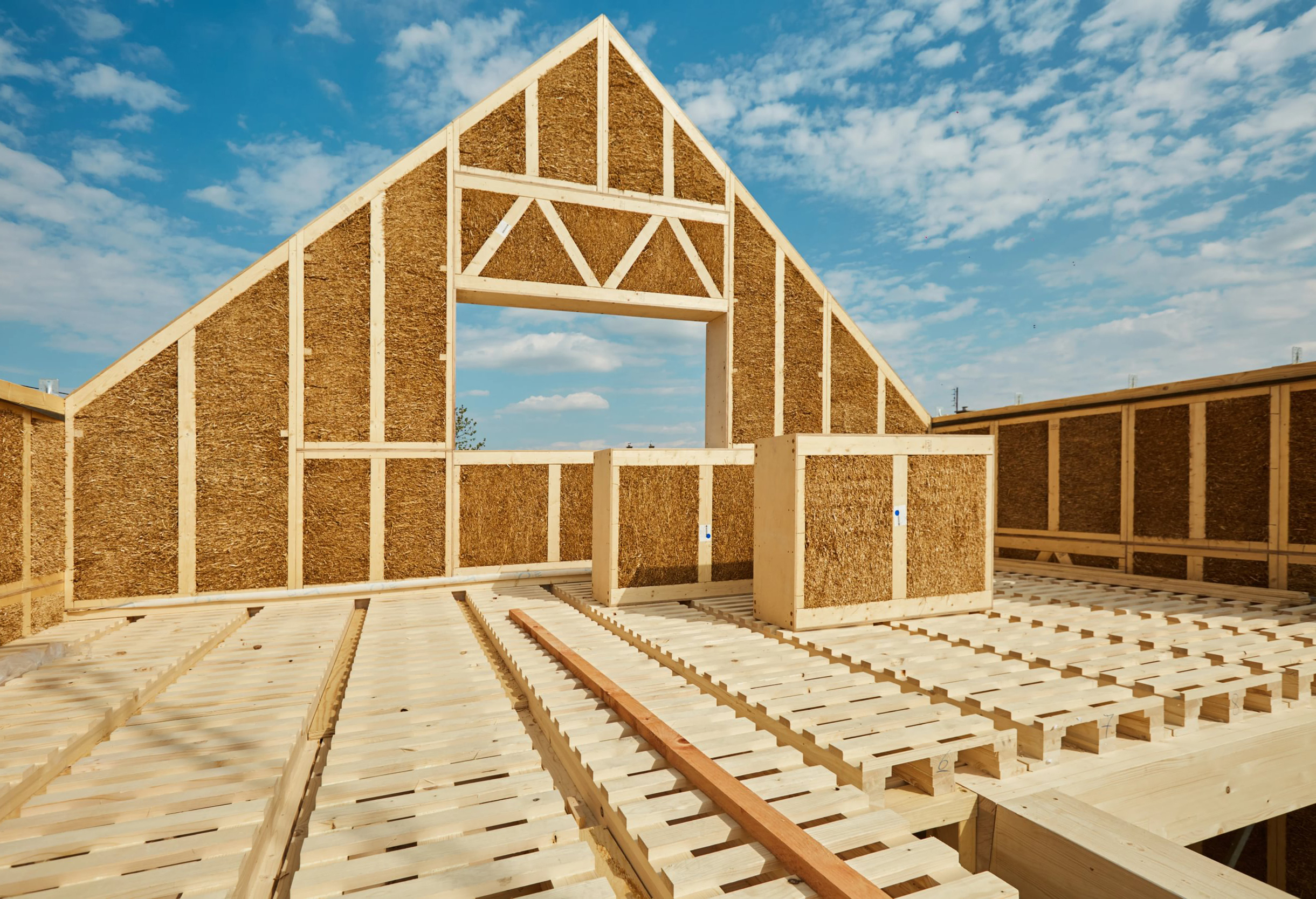
These materials do not follow design decisions; they shape them. They set the building’s structural and spatial logic, fixing thickness, systems, and performance parameters that guide subsequent choices. By entering early, they turn buildings low-carbon at their core, pushing most other components to align.
Among the materials with the strongest engagement on revalu in 2025 were:
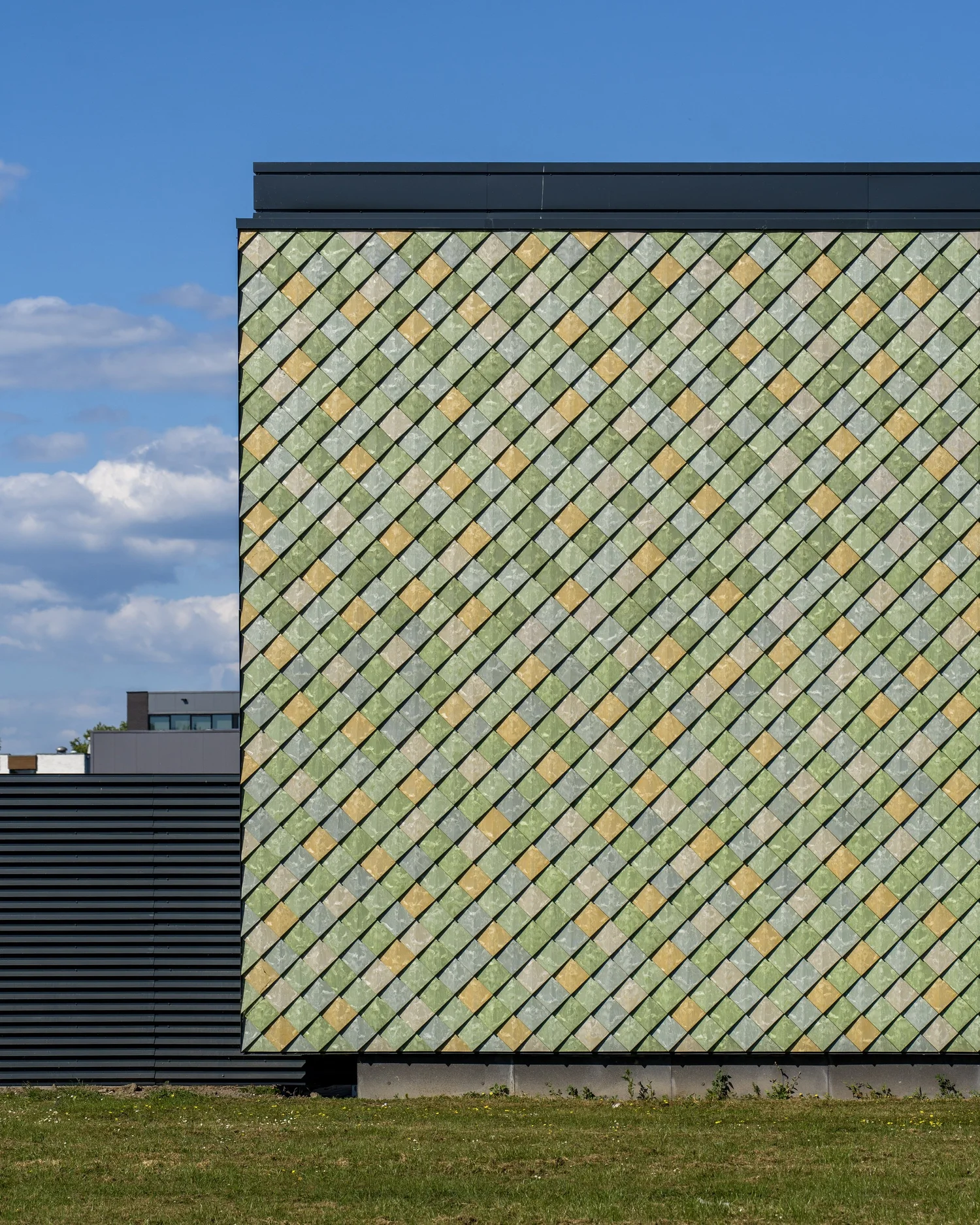
These materials replace widely used, high-impact products with low-carbon alternatives—not as stopgap solutions, but as precise, intelligent interventions. Adoption is fast, detailing remains familiar, and results are immediate. By reducing embodied carbon without system redesign, they deliver reliable impact at scale under real-world constraints.
Some of the most explored materials on revalu in 2025 include:
Advances in manufacturing, testing, and certification now allow inherently low-impact materials to be deployed in optimized, reliable forms, ready for real-world construction. As the examples above show, their performance is no longer ambiguous or experimental: each material brings well-defined technical capacities that shape its dominant role according to context—sometimes at the scale of an entire system, other times through precise component upgrades.
Amid the complexity of construction projects across their full life cycle, recognizing these prevailing patterns dispels doubt about what low-carbon materials can offer—and where they can be applied with confidence.
Explore more materials shaping design across our 35,000+ materials platform.

.png)
.png)
.png)
.png)
.png)
.png)













.png)
.png)
.png)
.png)
.png)
.png)
.png)
.png)
.png)
.png)
.png)
.png)
.png)
.png)
.png)
.png)
.png)
.png)
.png)
.png)
.png)
.png)
.png)
.png)
.png)
.png)
.png)
.png)
.png)
.png)
.png)
.png)
.png)
.png)
.png)
.png)
.png)
.png)
.png)
.png)
.png)
.png)
.png)
.png)
.png)

.png)
.png)
.png)
.png)
.png)
.png)
.png)
.png)











.png)








.png)