.jpg)
Architecture as a practice of climate repair, resource stewardship, and responsible material cycles. This is the aim of the Natural Materials Lab at Columbia University, led by Professor Lola Ben-Alon, which investigates how excavated earth, construction waste, and agricultural residues can be transformed into low-carbon building materials.
Two of its recent innovations, LEEFO and Biomud, demonstrate how combining knowledge of natural materials with contemporary digital fabrication can enable new forms of optimized circular construction.
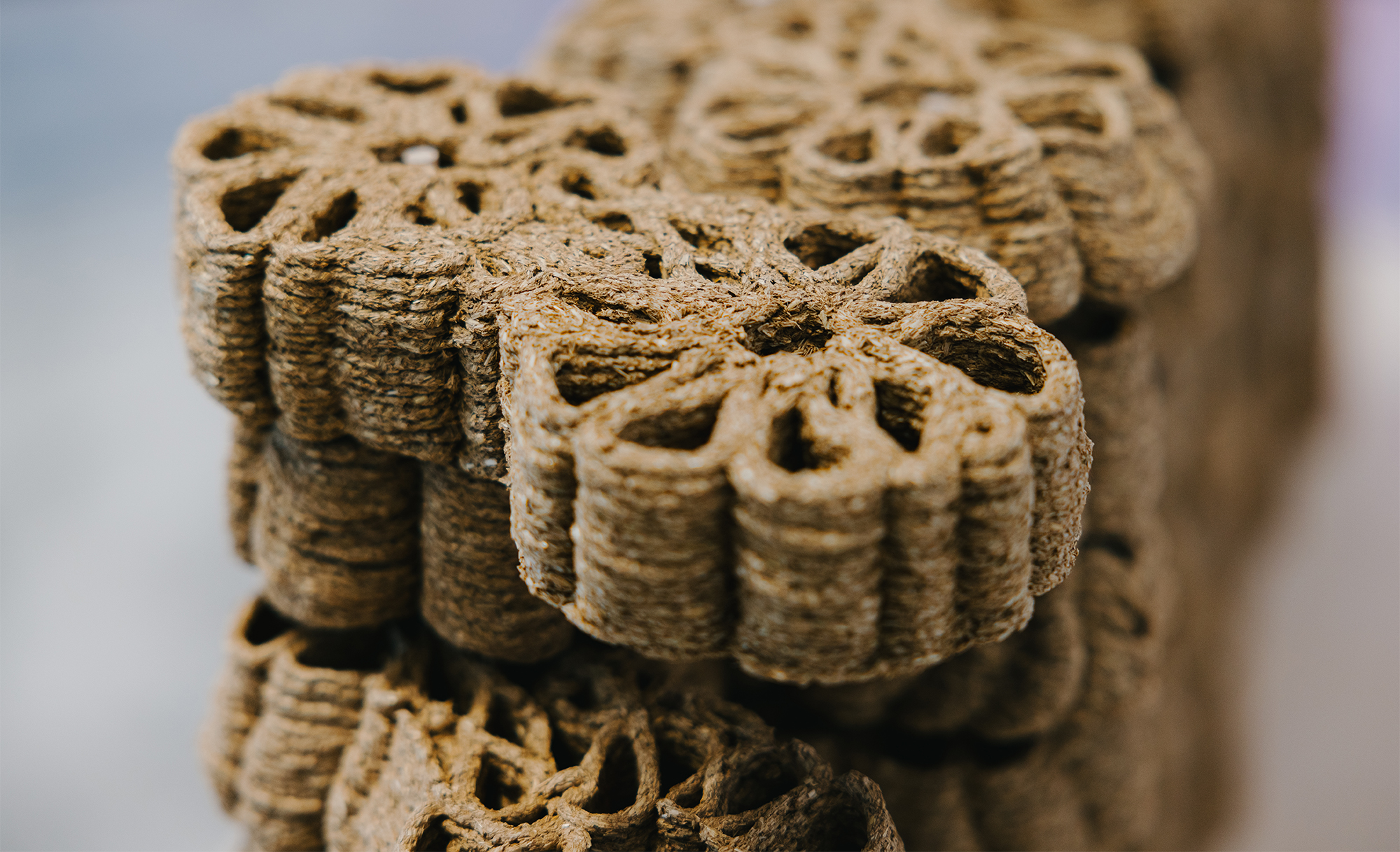
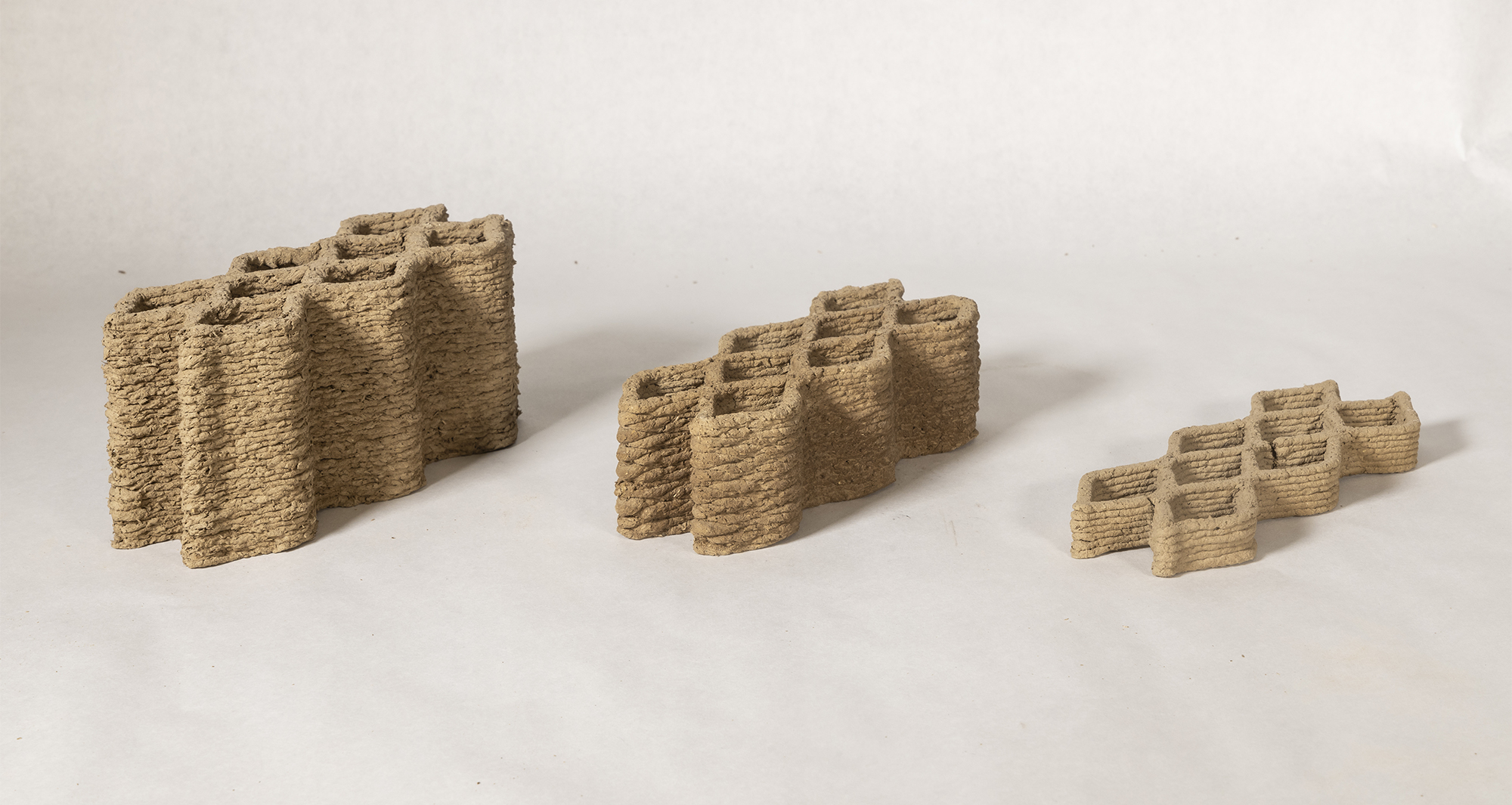
By combining raw soil with agricultural bast fibers such as straw, hemp, kenaf, fique, sisal, and other grasses, LEEFO aims to produce low-carbon structural and thermal components. The system avoids the open burning of these agricultural residues and their disposal in landfills by integrating them with soils reclaimed from construction excavation waste. The mixture is bound with a small proportion of non-toxic, food-grade bio-additives and produced without kiln firing, forming a composite designed to replace high-carbon materials such as synthetic insulating foams and MDF panels.
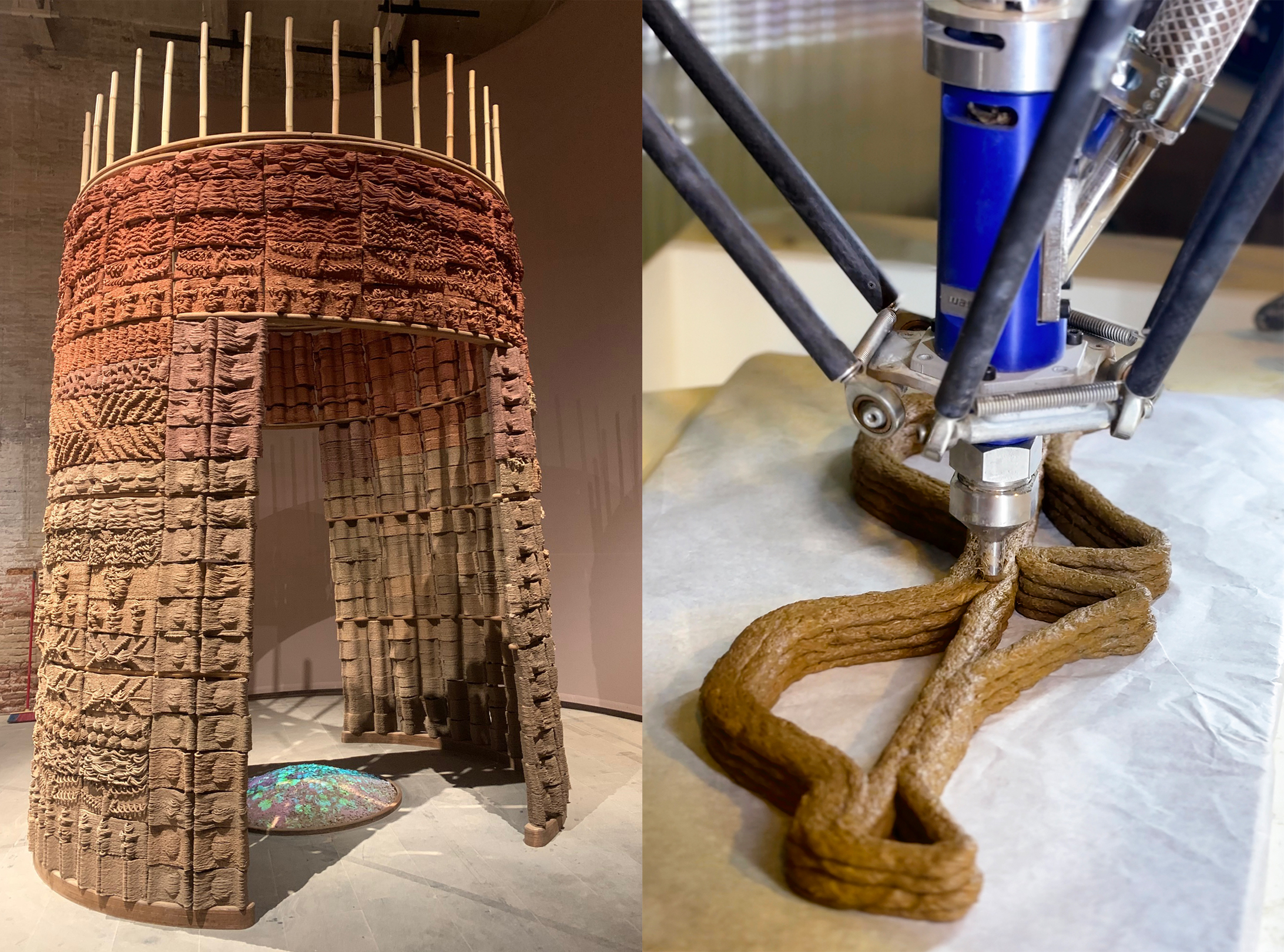
The material can be manufactured in two main ways. It can be 3D printed, using digital models to guide extrusion processes and enabling complex geometries optimized for thermal, acoustic, or structural performance. Alternatively, it can be pressed in mechanically compressed molds to produce textured panels, tiles, and brick-like elements. Laboratory tests indicate that the material can also be tuned for sound attenuation, making it suitable for interior wall systems and acoustic treatments.
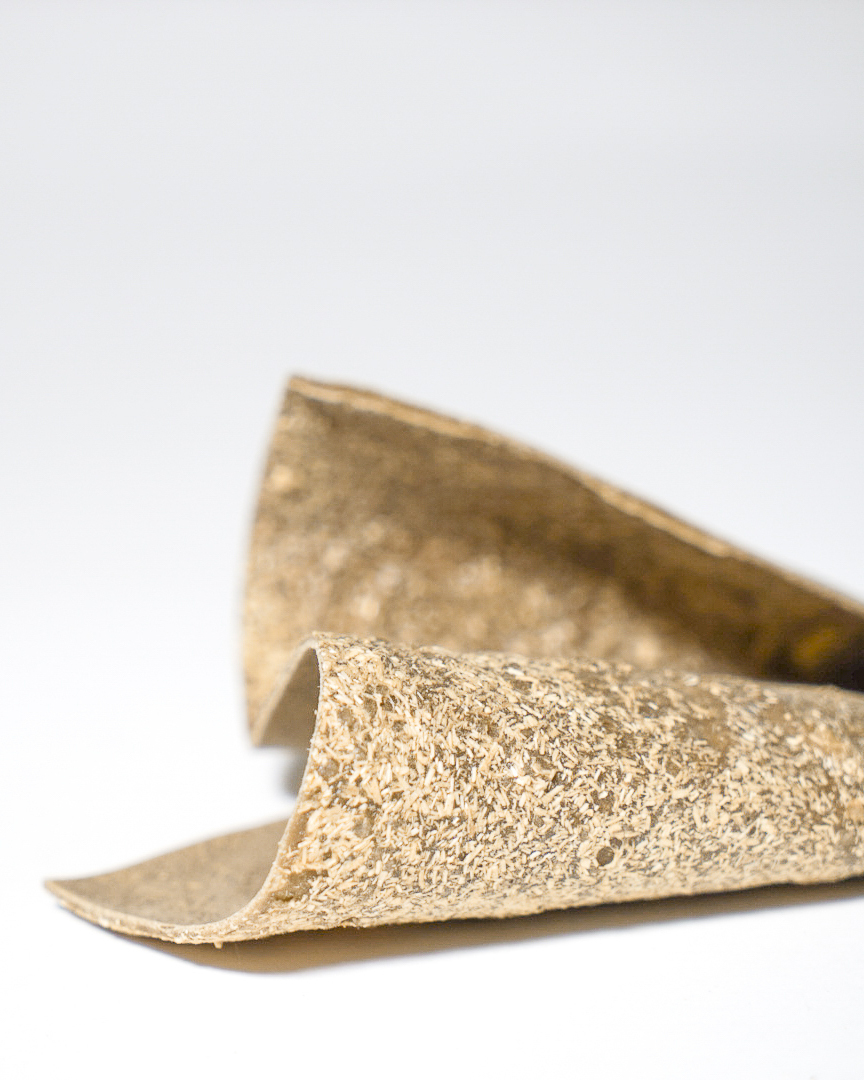
This geogenic material transforms raw soil into a flexible, lightweight, fabric-like substance. Developed in collaboration with researcher Penmai Chongtoua, Biomud is conceived as a kind of “geological skin” that can operate across multiple scales, from clothing and furniture to architectural surfaces and landscape applications.
Biomud is formulated using 65% raw earth, often recovered from construction excavation waste. The soil is combined with natural bio-additives and agricultural fiber waste such as straw, hemp, flax, and fique. Processed in its raw state without kiln firing, the material significantly reduces the energy consumption typically associated with clay ceramics. Depending on the mix and manufacturing method, Biomud can range from flexible, leather-like membranes to laminated interior surfaces or rigid ceramic-like elements for architectural envelopes. It can also be 3D printed into textile-like structures.
Produced in a studio combining materials science and craftsmanship, the ingredients are mixed while researchers monitor variables such as temperature and pH. The refined material can then be molded, spread into sheets, laser-cut, embroidered, or sawn using conventional fabrication tools.
The potential of these materials has been demonstrated through a series of prototypes, installations, and functional objects. Projects such as Earthen Rituals and Muddy Stools show how LEEFO can be 3D printed from raw earth to produce household objects, furniture, and building components. Other installations, including Fiber Ventilation Wall and Mashrabiya, explore porous architectural systems made from earth–fiber composites that help regulate airflow and environmental conditions. Meanwhile, the Digitally-Weaved Lattice Structures project investigates how earth and plant fibers can be combined through digitally guided weaving techniques to create mesh-like structures for architectural use.
Biomud, by contrast, has been tested primarily as a spatial surface material. Its applications range from Heated Garments, a prototype vest that integrates electronics to generate localized heating, to large sheets of Biomud exhibited at Casa Muraro in Venice.
Looking ahead, the Natural Materials Lab is exploring the potential to scale these materials to industrial production systems: pressed LEEFO panels could offer low-carbon alternatives to MDF or synthetic insulation, while portable manufacturing units could allow excavated soils to be processed directly on-site, transforming waste into building components.
By combining ancestral material knowledge with contemporary digital fabrication, these two innovations propose not only new building materials, but also a broader material ethic based on circularity, carbon storage, and environmental stewardship.
Explore more low-carbon material innovations in the revalu materials catalog.
—
Credits
The Natural Materials Lab projects featured in this article were developed under the direction of Prof. Lola Ben-Alon, with contributions from current and former lab members including Dr. Olga Beatrice Carcassi, Penmai Chongtoua, Keenan Bellisari, Christopher Tillinghast Sherman, Trella Isabel Lopez, Kelechi Iheanacho, Neil Potnis, Sherry Aine Chuang Te, Nikoletta Zakynthinou Xanthi, Amani Makee Hill, EunJin Shin, Kelsey Wang, Mohammad Hossein Zowqi, Kate Perez, and Tashania Audrey Akemah.

.png)
.png)
.png)
.png)
.png)
.png)




.png)
.png)
.png)
.png)
.png)
.png)
.png)
.png)
.png)
.png)
.png)
.png)
.png)
.png)
.png)
.png)
.png)
.png)
.png)
.png)
.png)
.png)
.png)
.png)
.png)
.png)
.png)
.png)
.png)
.png)
.png)
.png)
.png)
.png)
.png)
.png)
.png)
.png)
.png)
.png)
.png)
.png)
.png)
.png)
.png)
.png)

.png)
.png)
.png)
.png)
.png)
.png)
.png)
.png)









.png)







.png)