%20copiaaa.jpg)
Designing facades in Nordic climates means addressing some of the most demanding environmental conditions in architecture. Long winters, frequent freeze–thaw cycles, high humidity, and significant temperature fluctuations place considerable stress on building envelopes.
In this context, natural materials are often perceived as less durable than synthetic alternatives, partly due to the idea that they are more vulnerable to weathering and environmental exposure. However, projects like Eld & Bark by ELITHUS, completed in 2026 in Strömma, near Stockholm, suggest otherwise. In this case, the project incorporates expanded cork panels, developed by Amorim Cork Solutions, mechanically fixed within a ventilated facade system. The material has demonstrated strong performance, illustrating how this renewable, bio-based solution—harvested without felling trees and capable of natural regeneration—can combine thermal insulation, durability, and structural stability even in harsh Scandinavian conditions.

Buildings in Northern Europe must endure a combination of environmental stresses that place significant demands on facade materials. Winter temperatures often drop well below freezing, while summer highs reach around 20–25 °C. Repeated freeze–thaw cycles, snow accumulation, persistent humidity, strong winds, and heavy rain create conditions that demand materials capable of maintaining thermal performance, dimensional stability, and moisture resistance over time.
The thermal insulation properties of expanded cork are well established. Its cellular structure, composed of millions of micro air-filled cells, significantly reduces heat transfer, resulting in low thermal conductivity, which helps maintain indoor comfort throughout the year. This performance is closely linked to how the material is produced. Expanded cork boards are manufactured using heat, which activates the material’s natural resins, allowing the panels to bind without added adhesives—a process that maintains the material’s natural permeability to water vapor, enabling building assemblies to breathe and can help reduce the risk of condensation and mold formation when integrated into a well-designed system.
In response to temperature fluctuations—particularly repeated freeze–thaw cycles—cork demonstrates dimensional stability. Its elastic and compressible structure allows it to absorb expansion and contraction without cracking or degrading, ensuring long-term durability. It also offers moisture resistance in exposed and humid conditions, as water absorption is generally limited to the surface layers and does not significantly affect its thermal properties, remaining stable across a wide temperature range, including prolonged sub-zero conditions. When properly installed, the material can remain effective for several decades under suitable conditions, and mechanically fixed systems like this one allow individual panels to be replaced if necessary.

Projects like Eld & Bark challenge the perception of cork as a material confined to hidden insulation layers or limited to interior applications. Instead, they highlight its potential as a visible outer layer, combining technical performance with a distinctive architectural identity.
In this project, the facade is composed of a series of asymmetrical volumes, where cork is combined with timber cladding charred in situ using the Japanese shou sugi ban method, along with lightweight metal railings. In this way, the material reinforces the project’s relationship with its surroundings. Its matte surface and irregular texture evoke tree bark, allowing the buildings to blend more naturally into the wooded landscape. As architect Maria Ader of ELITHUS explains, the intention was not to compete with nature, but to work with materials that harmonize with the austere and rugged character of the Stockholm archipelago.
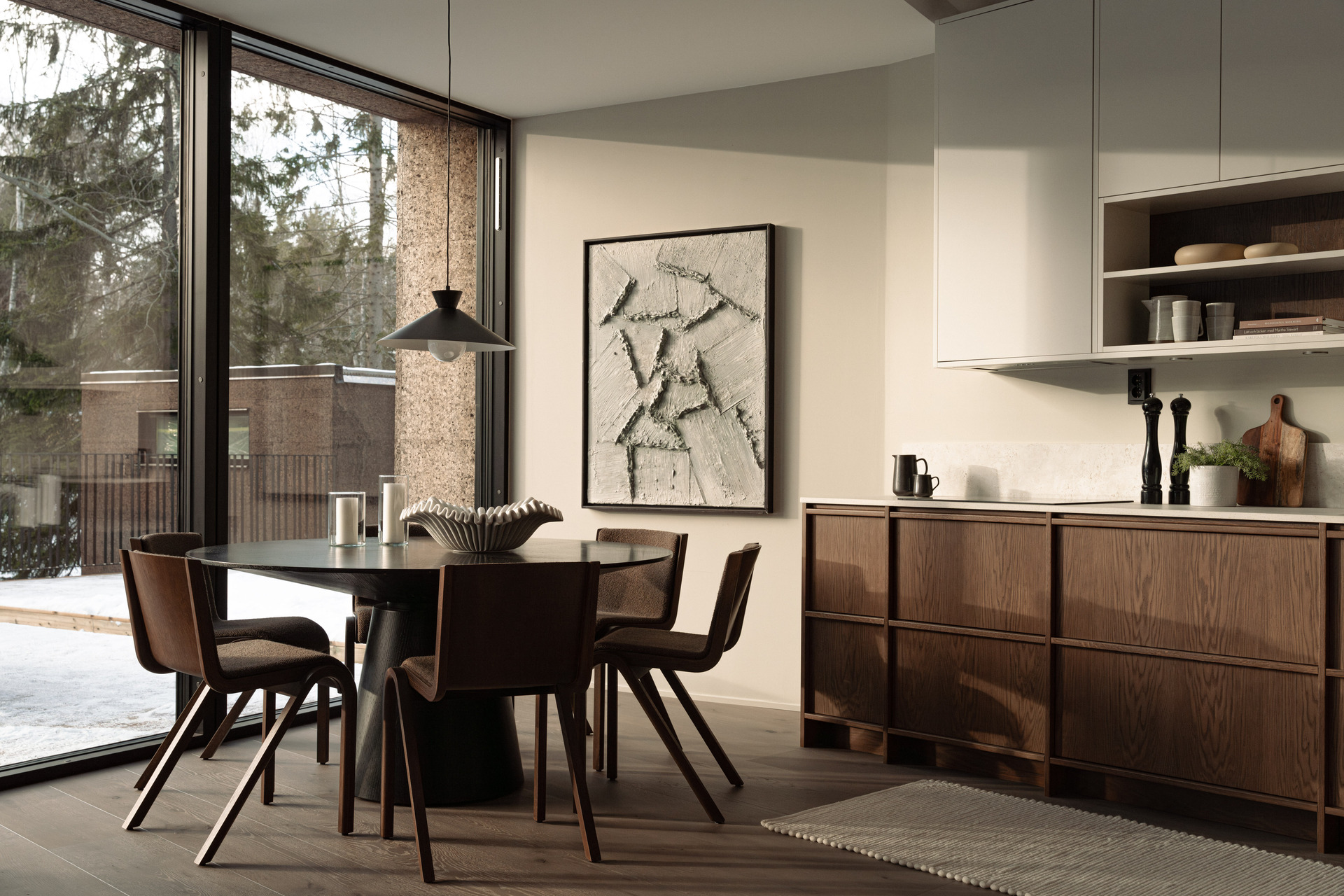
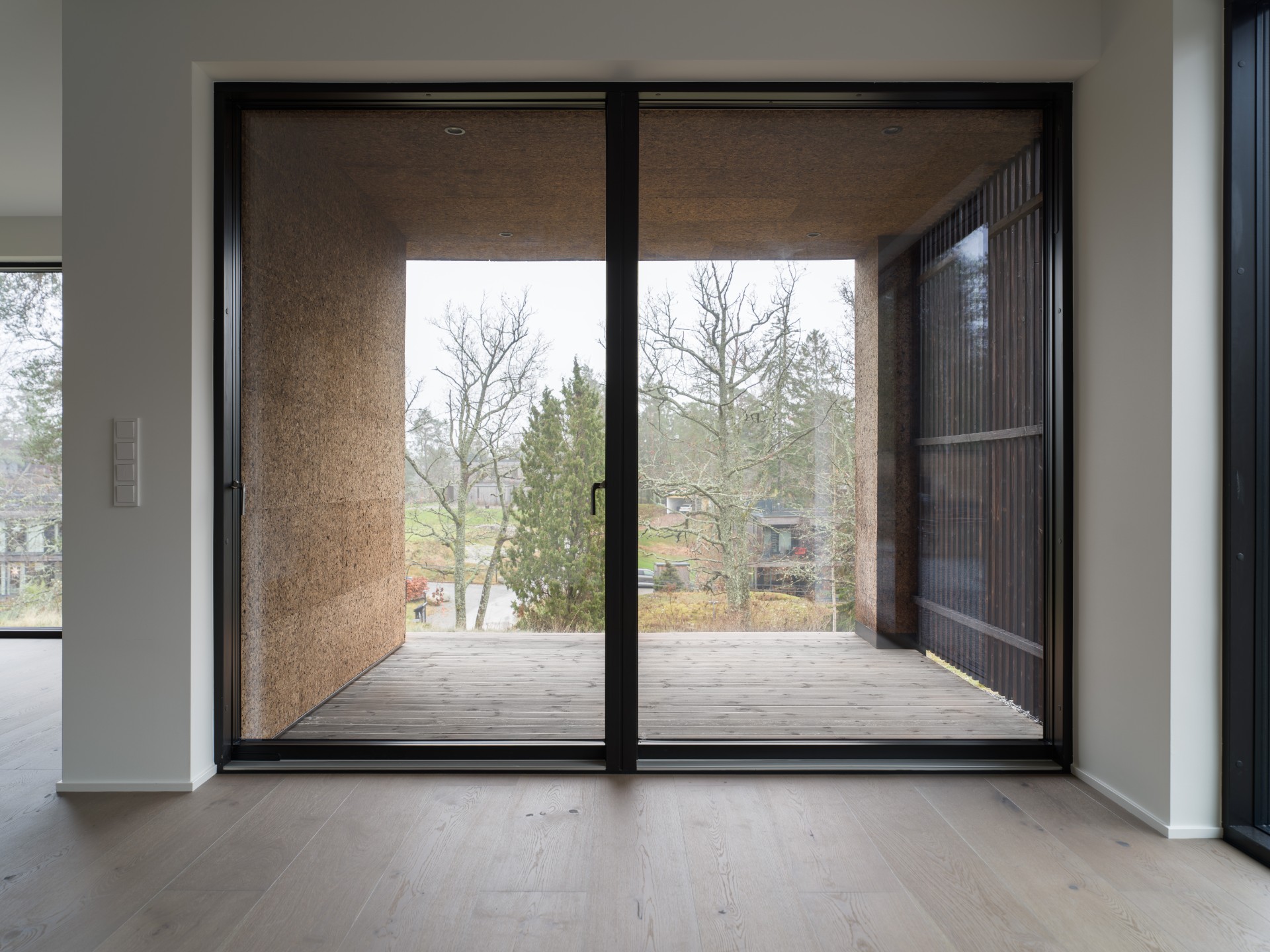
The performance of this facade in Scandinavian conditions points to a broader conclusion: bio-based materials are not limited to temperate climates or specific applications, but can meet demanding technical requirements while contributing to lower-carbon construction.
Discover more bio-based materials and how they perform on the revalu platform.

.png)
.png)
.png)
.png)
.png)
.png)


.png)
.png)
.png)
.png)
.png)
.png)
.png)
.png)
.png)
.png)
.png)
.png)
.png)
.png)
.png)
.png)
.png)
.png)
.png)
.png)
.png)
.png)
.png)
.png)
.png)
.png)
.png)
.png)
.png)
.png)
.png)
.png)
.png)
.png)
.png)
.png)
.png)
.png)
.png)
.png)
.png)
.png)
.png)
.png)
.png)
.png)
.png)
.png)
.png)
.png)
.png)







.png)






.png)